Fire can destroy a property in minutes, but what happens next can determine its future for years. The aftermath is about more than just charred walls and lost belongings. Even small fires can cause secondary damage that lingers, harming both your health and your home’s structure. Most people are shocked to learn how invisible smoke residue and toxins quietly invade every corner, turning restoration into a race against time.
Table of Contents
- What Is Fire Restoration And Its Importance?
- The Impact Of Fire Damage On Properties And Lives
- Key Steps In The Fire Restoration Process
- Why Timely Restoration After Fire Matters
- Understanding Insurance’s Role In Fire Restoration
Quick Summary
| Takeaway | Explanation |
|---|---|
| Timely restoration minimizes damage. | Quick intervention prevents worsening of fire damage, saving costs and potential health risks. |
| Professional assessment is crucial. | Comprehensive evaluations by experts ensure all damage is identified and addressed effectively. |
| Insurance claims need thorough documentation. | Detailed records and proven assessments are essential for securing maximum insurance compensation. |
| Unseen damages can pose health risks. | Smoke and toxic residues can have lasting health impacts if not properly addressed during restoration. |
| Mental health impacts require attention. | Survivors often face emotional challenges alongside physical rebuilding, requiring supportive recovery efforts. |
What is Fire Restoration and Its Importance?
Fire restoration is a specialized process designed to recover and rehabilitate properties that have suffered significant damage from fire incidents. When flames consume a structure, the destruction goes far beyond visible burn marks. These events leave behind complex challenges that require comprehensive professional intervention. Learn more about our restoration approach.
Understanding Fire Damage Beyond Surface Level
Fire damage is multifaceted and extends well beyond burned materials. Smoke permeates walls, ceilings, and furniture, leaving toxic residues and persistent odors. According to research from the National Fire Protection Association, even small fires can create extensive secondary damage that compromises structural integrity and poses serious health risks.
Key consequences of fire damage include:
- Structural weakening of building materials
- Toxic chemical residue from burned substances
- Persistent smoke odors penetrating porous surfaces
- Potential water damage from firefighting efforts
Professional Restoration as a Critical Recovery Strategy
Professional fire restoration is not merely about cleaning up visible damage. It involves a comprehensive approach to property recovery that addresses safety, structural stability, and environmental contamination. Trained professionals use specialized equipment and techniques to:
- Assess complete damage extent
- Remove hazardous materials safely
- Prevent further structural degradation
- Restore properties to pre-fire conditions
The goal of fire restoration goes beyond aesthetic repair. It ensures that your property is not just visually restored but made safe for habitation, protecting both physical infrastructure and human health. Without professional intervention, fire damage can lead to long term structural issues, health hazards, and significant financial losses.
The Impact of Fire Damage on Properties and Lives
Fire damage extends far beyond immediate physical destruction, creating profound psychological and financial consequences that can transform lives instantly. Understanding these comprehensive impacts helps property owners recognize the critical need for swift, professional restoration. Check out the top signs your property needs immediate restoration.
Structural and Material Devastation
Fire’s destructive power manifests through multiple layers of damage. According to research from the Insurance Information Institute, residential fires cause billions in property damage annually. The aftermath includes:
- Complete structural compromise of load-bearing walls
- Electrical system failures
- Compromised foundation integrity
- Irreparable damage to personal belongings
- Potential total property loss
Psychological and Emotional Trauma
Beyond physical destruction, fire incidents inflict significant emotional wounds. Survivors often experience intense stress, anxiety, and a profound sense of loss. The psychological impact can persist long after the physical damage is repaired. Victims may struggle with:
- Post-traumatic stress disorder
- Depression related to property and personal item loss
- Disrupted sense of safety and security
- Long-term emotional recovery challenges
Economic and Insurance Implications
Fire damage triggers complex economic repercussions that extend well beyond immediate repair costs. Property owners face intricate insurance claims, potential relocation expenses, and substantial financial strain. The economic consequences include:
- Potential loss of personal and professional assets
- Substantial out-of-pocket restoration expenses
- Increased insurance premiums
- Potential long-term financial instability
Ultimately, fire damage represents a multifaceted disaster that impacts physical infrastructure, personal well-being, and financial stability.
The table below summarizes the emotional, structural, and financial impacts of fire damage, organizing the consequences for both property and lives in a clear, comparative format.
| Type of Impact | Key Consequences |
|---|---|
| Structural and Material | Structural compromise, electrical failures, foundation issues, total property or belongings loss |
| Psychological and Emotional | PTSD, depression, loss of safety, long-term emotional recovery challenges |
| Economic and Insurance | Loss of assets, restoration expenses, higher insurance premiums, potential financial instability |
Key Steps in the Fire Restoration Process
Fire restoration is a complex, methodical procedure that requires professional expertise and specialized techniques. Each stage demands precision and strategic intervention to successfully rehabilitate fire damaged properties.
Learn more about what to expect during a restoration project.
Initial Assessment and Damage Evaluation
The restoration process begins with a comprehensive property assessment. According to emergency preparedness guidelines from FEMA, professionals conduct a detailed inspection to determine the extent of fire, smoke, and water damage. This critical first step involves:
- Documenting structural damage
- Identifying potential safety hazards
- Evaluating material and content salvageability
- Creating a preliminary restoration strategy
Mitigation and Emergency Protection
Immediate mitigation prevents further property deterioration. Restoration experts quickly secure the premises and implement protective measures to minimize additional damage. Key mitigation strategies include:
- Boarding up damaged windows and doors
- Covering exposed roof areas
- Removing standing water from firefighting efforts
- Establishing a controlled environment to prevent secondary damage
Cleaning, Restoration, and Reconstruction
The final phase involves comprehensive cleaning, restoration, and potential reconstruction. Professionals utilize advanced techniques to:
- Remove smoke and soot residues
- Decontaminate and sanitize affected areas
- Repair or replace damaged structural components
- Restore the property to its pre-fire condition
Professional fire restoration transcends basic cleaning. It represents a systematic approach to rebuilding not just physical structures, but restoring a sense of safety and normalcy for property owners.
Here is a concise overview of the main steps in a professional fire restoration process, outlining each stage to help readers understand the sequence and purpose.
| Restoration Step | Purpose/Actions Taken |
|---|---|
| Initial Assessment and Damage Evaluation | Documenting and assessing all damage and safety hazards |
| Mitigation and Emergency Protection | Securing property and preventing further damage (boarding up, water removal, etc.) |
| Cleaning, Restoration, Reconstruction | Removing residues, sanitizing, repairing, and restoring property to safe condition |
Why Timely Restoration After Fire Matters
Timely fire restoration is not simply a recommended action but a critical intervention that can significantly minimize long-term property damage and potential health risks.
INFOGRAPHIC:infographic_content] Delay in professional restoration can transform a manageable situation into a catastrophic loss. [Explore the signs your property needs immediate restoration.
Preventing Progressive Property Deterioration
Fire damage is uniquely insidious because its destructive effects continue long after flames are extinguished. According to research from the National Institute of Building Sciences, unaddressed fire damage can cause exponential structural degradation. Immediate restoration prevents:
- Accelerated material corrosion
- Persistent moisture accumulation
- Mold and mildew proliferation
- Structural integrity compromise
- Electrical system deterioration
Mitigating Health and Safety Risks
Delayed restoration introduces severe health hazards that extend beyond visible damage. Smoke residues, toxic chemical interactions, and compromised air quality can create significant medical risks. Potential consequences include:
- Respiratory system complications
- Increased risk of chronic lung diseases
- Chemical exposure from burned materials
- Potential neurological impacts
- Long-term environmental contamination
Financial and Insurance Implications
Timely restoration directly impacts financial outcomes and insurance claim processes. Prompt professional intervention can substantially reduce overall repair costs and streamline insurance negotiations. Key financial benefits include:
- Preventing extensive secondary damage
- Reducing total restoration expenses
- Maintaining property insurance coverage
- Protecting property market value
- Minimizing potential legal complications
Professional fire restoration represents more than a repair service. It is a strategic intervention that protects property value, ensures occupant safety, and provides a comprehensive pathway to recovery.
Understanding Insurance’s Role in Fire Restoration
Navigating insurance claims after fire damage requires strategic knowledge and comprehensive documentation. Property owners must understand the intricate relationship between restoration services and insurance processes to maximize their recovery potential. Explore professional restoration insights.
Insurance Claim Fundamentals
Insurance coverage for fire damage varies significantly based on policy details and specific circumstances. According to the Insurance Information Institute, homeowners must comprehend their policy’s specific provisions. Key insurance claim components include:
- Detailed damage documentation
- Comprehensive photographic evidence
- Professional damage assessment reports
- Accurate repair cost estimations
- Explicit communication with insurance adjusters
Documentation and Claim Verification
Successful insurance claims demand meticulous record-keeping and strategic evidence compilation. Property owners must systematically document every aspect of fire damage to support their restoration claim. Critical documentation strategies involve:
- Creating comprehensive inventory lists
- Preserving damaged items for inspection
- Obtaining professional damage assessment reports
- Tracking all restoration and repair expenses
- Maintaining clear communication logs
Navigating Complex Claim Processes
Fire restoration insurance claims represent complex negotiations requiring professional guidance. Understanding potential challenges helps property owners prepare effectively. Important considerations include:
- Understanding policy coverage limitations
- Recognizing potential claim dispute scenarios
- Identifying additional living expense coverages
- Negotiating fair compensation
- Preventing claim denial through proper documentation
Professional restoration services play a crucial role in supporting insurance claims, providing expert documentation, and ensuring property owners receive comprehensive coverage for fire damage recovery.
Take Immediate Steps to Restore and Protect Your Property
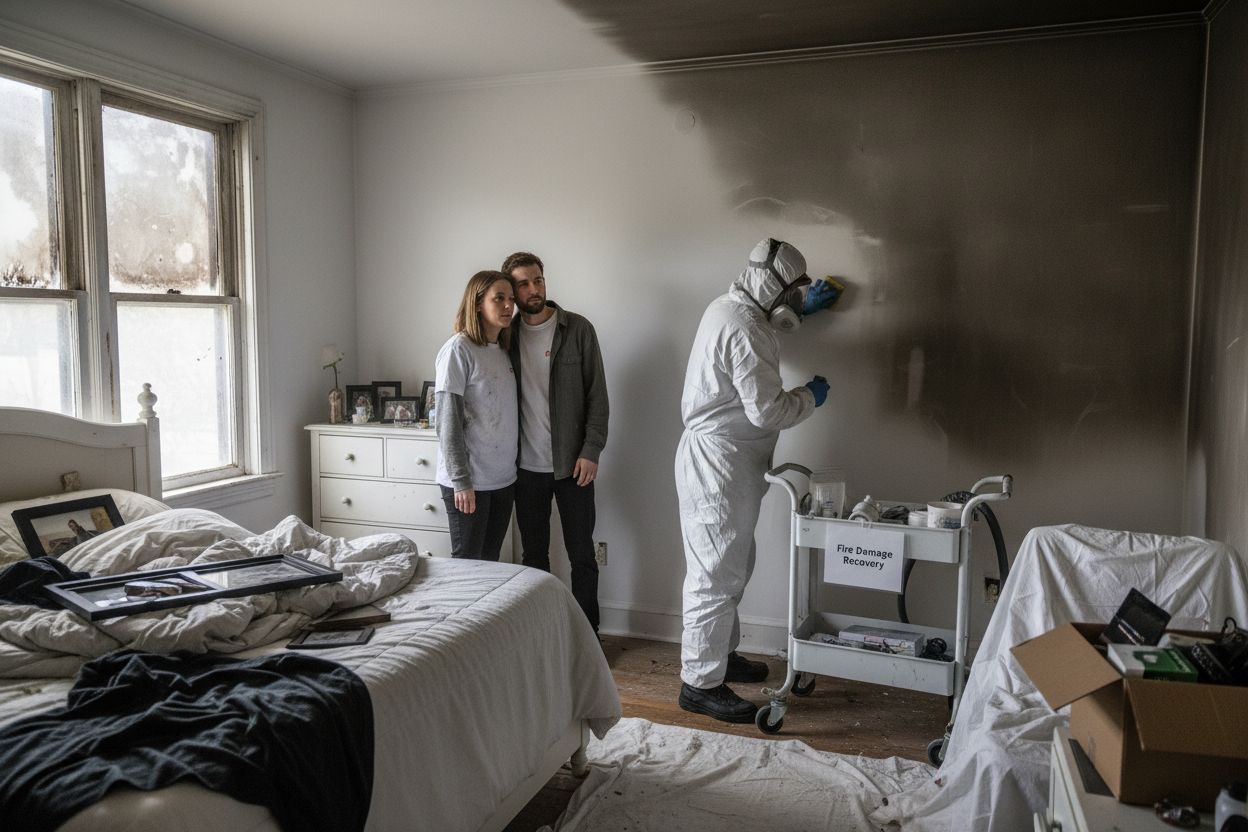
If you are facing the devastating aftermath of fire damage, you know that the destruction goes much deeper than what you see on the surface. Lingering smoke, hidden structural issues, and the risk of long-term health problems can turn a manageable crisis into overwhelming loss. Acting quickly is critical to reclaiming your safety and securing your investment. For insights and resources relevant to your situation, visit our Uncategorized – Pro Value Contracting section where you will find more information about urgent fire restoration needs.

Do not risk the comfort or value of your home or business. Trust the proven experts at Pro Value Contracting to handle every step of your recovery with skill and compassion. We specialize in emergency fire restoration with fast response and meticulous craftsmanship. Take control of your future—reach out now to schedule a free estimate or emergency consultation, and let us help bring your property back to life. Learn how we can support you further by visiting our main site at https://provcontracting.com.
Frequently Asked Questions
What is fire restoration?
Fire restoration is the process of recovering and rehabilitating properties that have suffered damage from fire incidents. It involves assessing damage, safely removing hazardous materials, and restoring the property to a safe condition.
Why is professional fire restoration necessary?
Professional fire restoration is essential as it addresses not only visible damage but also hidden issues like smoke residue and structural integrity. It ensures safety for occupants and prevents further deterioration of the property.
What are the main steps involved in fire restoration?
The key steps in fire restoration include initial assessment and damage evaluation, mitigation and emergency protection, cleaning, restoration, and potential reconstruction to return the property to its pre-fire condition.
How does fire damage affect property owners emotionally and financially?
Fire damage can lead to significant emotional trauma, such as anxiety and PTSD, and financial implications, including high repair costs, potential loss of assets, and increased insurance premiums.
Recommended
- Top 5 Signs Your Property Needs Immediate Restoration – Pro Value Contracting
- What to Expect During a Restoration Project – Pro Value Contracting
- Pro V Restoration Services – Pro Value Contracting
- Blog – Pro Value Contracting
- When Did Altadena Fire Start? Key Dates and Quick Facts
- Understanding Why Storm Damage Repairs Are Essential – Liberty Roofworks