Moisture control sounds simple, yet it is one of the most important shields for your home or property. A single unchecked leak can drop property value and invite mold in as little as 24 to 48 hours, according to top experts. Most people focus on fixing the obvious water spots, but the real problems often start in places you cannot even see. The secrets behind true moisture control hold solutions that protect both your investment and your health.
Table of Contents
- What Is Moisture Control And Its Importance?
- The Effects Of Excess Moisture In Buildings
- How Moisture Control Systems Function
- Key Concepts In Moisture Management Strategies
Quick Summary
| Takeaway | Explanation |
|---|---|
| Moisture control prevents structural damage. | Regular moisture management protects building materials from rot, corrosion, and weakening. |
| Healthy indoor environments rely on moisture control. | Controlling humidity reduces risks of mold, bacteria, and allergens, promoting occupant health. |
| Use advanced sensors for moisture detection. | Implementing hygrometric sensors and monitors helps identify moisture issues before they escalate. |
| Implement ventilation strategies to reduce humidity. | Mechanical air exchanges and dehumidifiers help maintain balanced indoor air quality and moisture levels. |
| Incorporate barriers to prevent moisture intrusion. | Using vapor retarders and waterproof membranes interrupts moisture pathways, protecting building integrity. |
What is Moisture Control and Its Importance?
Moisture control represents a critical strategy for protecting buildings and maintaining healthy indoor environments. By managing water vapor, liquid water, and humidity levels, homeowners and property managers can prevent numerous structural and health risks associated with excessive moisture.
Understanding Moisture Control Fundamentals
At its core, moisture control involves systematic techniques designed to regulate water infiltration and condensation within building structures. According to the U.S. Environmental Protection Agency, effective moisture management is essential for preventing potential damage and maintaining structural integrity.
The role of moisture control extends beyond simple water prevention. Key objectives include:
- Preventing structural deterioration
- Protecting indoor air quality
- Reducing potential for mold and fungal growth
- Maintaining building material integrity
Why Moisture Control Matters
Uncontrolled moisture can create significant problems for residential and commercial properties. Water intrusion can lead to substantial damage, including:
- Wood rot and structural weakening
- Corrosion of metal building components
- Degradation of insulation materials
- Compromised foundation stability
Beyond physical damage, excess moisture creates environments conducive to harmful microorganism growth. Mold, bacteria, and dust mites thrive in damp conditions, potentially causing respiratory issues and allergic reactions for building occupants.
Strategic Moisture Management Approach
Effective moisture control requires a comprehensive approach that addresses multiple potential entry points and environmental factors. This involves careful assessment of building design, material selection, ventilation systems, and ongoing maintenance strategies. Professionals utilize techniques such as proper sealing, strategic drainage, vapor barrier installation, and humidity monitoring to create comprehensive moisture protection solutions.
By understanding and implementing robust moisture control methods, property owners can protect their investments, ensure occupant health, and maintain long-term structural reliability.
The Effects of Excess Moisture in Buildings
Excess moisture represents a profound threat to building structures and human health, creating complex challenges that extend far beyond simple water accumulation. Understanding these multifaceted impacts is crucial for homeowners and property managers seeking to protect their investments and ensure safe living environments.
Structural Damage Mechanisms
According to the National Institutes of Health, persistent indoor dampness triggers significant material degradation processes. Excess moisture initiates a cascade of destructive reactions within building materials, compromising their fundamental structural integrity.
Key structural vulnerability points include:
- Wooden framework susceptibility to rot and warping
- Metal components experiencing accelerated corrosion
- Foundation materials developing microscopic fractures
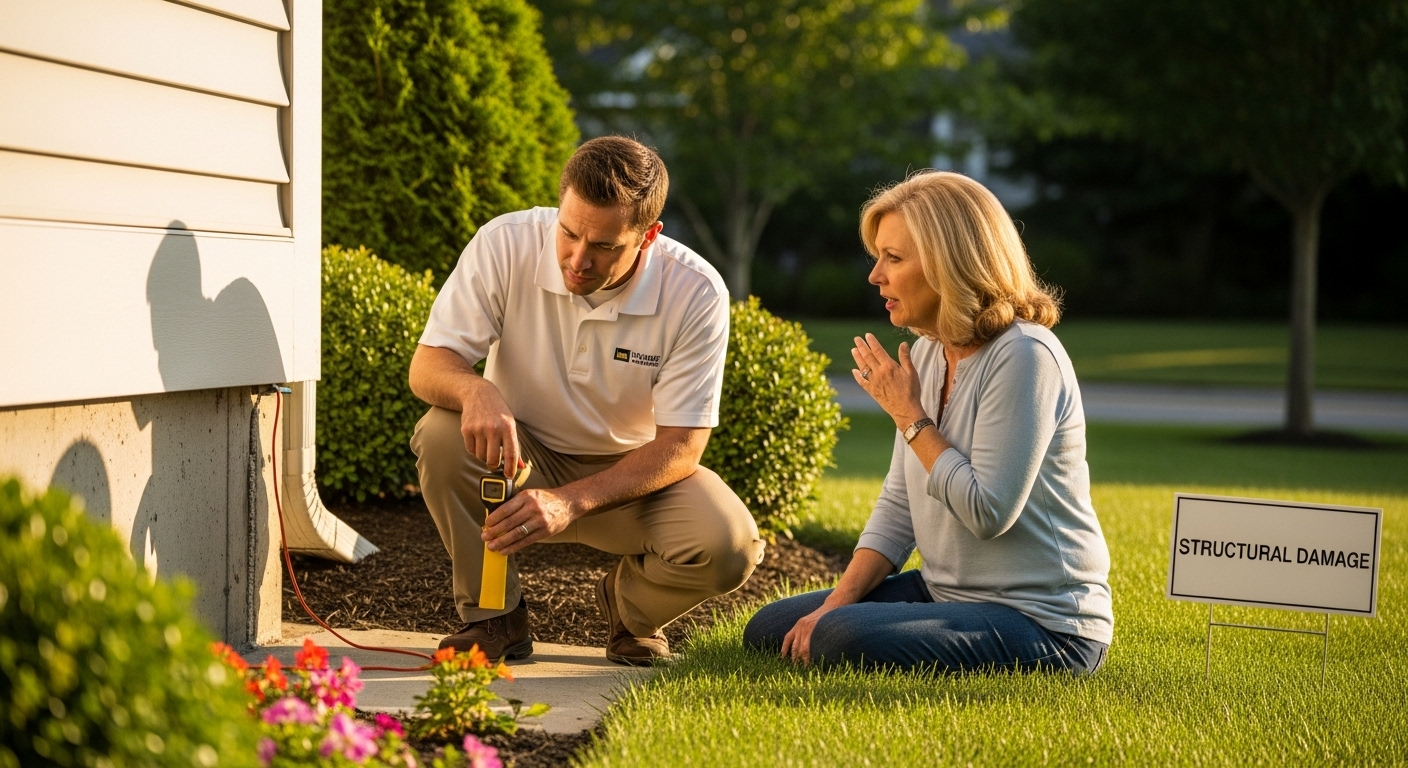
- Concrete and masonry experiencing mineral breakdown
Biological Contamination Risks
Moisture creates ideal breeding environments for dangerous microorganisms. When water accumulates in hidden spaces, it transforms seemingly inert building materials into potential health hazards. Mold spores, bacteria, and fungal colonies proliferate rapidly, releasing microscopic particulates that compromise indoor air quality.
Critical biological contamination consequences encompass:
- Respiratory system irritation
- Potential allergic reactions
- Increased asthma trigger potential
- Compromised immune system responses
Long-Term Economic Implications
The financial consequences of uncontrolled moisture extend well beyond immediate repair costs. Prolonged water damage can dramatically reduce property values, require extensive renovation, and create ongoing maintenance challenges. Property owners who neglect moisture management often face exponentially increasing restoration expenses.
Strategic moisture mitigation represents a proactive investment in structural preservation, protecting both the physical building and the health of its occupants. By recognizing early warning signs and implementing comprehensive moisture control strategies, property owners can prevent catastrophic damage and maintain their buildings’ long-term functionality and value.
How Moisture Control Systems Function
Moisture control systems represent sophisticated technological solutions designed to manage and mitigate water vapor and liquid moisture within built environments.
These integrated networks of components work synergistically to detect, prevent, and eliminate potential moisture-related risks before they can cause significant damage.
Core Components and Detection Mechanisms
According to Building Science Corporation, moisture control systems utilize multiple strategic approaches to monitor and regulate indoor humidity levels. Advanced sensors and monitoring technologies play a pivotal role in identifying potential moisture intrusion points and environmental conditions that could lead to potential damage.
Key detection mechanisms include:
- Hygrometric sensors measuring relative humidity
- Temperature differential monitors
- Moisture content analyzers
- Condensation point tracking systems
Ventilation and Humidity Regulation Strategies
Effective moisture control systems employ comprehensive ventilation strategies that actively manage air circulation and humidity levels. These systems work by creating balanced indoor environmental conditions that discourage moisture accumulation and minimize potential condensation risks.
Critical ventilation approaches encompass:
- Mechanical air exchange systems
- Dehumidification equipment
- Strategic air flow management
- Passive and active moisture mitigation techniques
Integrated Protective Technologies
Modern moisture control systems integrate multiple protective technologies to create comprehensive moisture management solutions. These systems go beyond simple detection, incorporating active prevention and remediation strategies that protect building structures and occupant health.
By combining advanced sensing technologies, automated response mechanisms, and continuous monitoring capabilities, moisture control systems provide proactive defense against potential water-related damages. Property owners can now leverage these sophisticated technologies to maintain optimal indoor environmental conditions, protect structural integrity, and ensure long-term building performance.
Key Concepts in Moisture Management Strategies
Moisture management represents a sophisticated approach to protecting buildings from water-related damage, requiring comprehensive understanding of complex environmental interactions. By implementing strategic techniques, property owners can proactively defend against potential structural and health risks associated with uncontrolled moisture intrusion.
Fundamental Water Movement Principles
According to the Environmental and Energy Study Institute, effective moisture control depends on understanding three primary water movement mechanisms: vapor diffusion, air leakage, and capillary action. These interconnected processes determine how water infiltrates and impacts building structures.
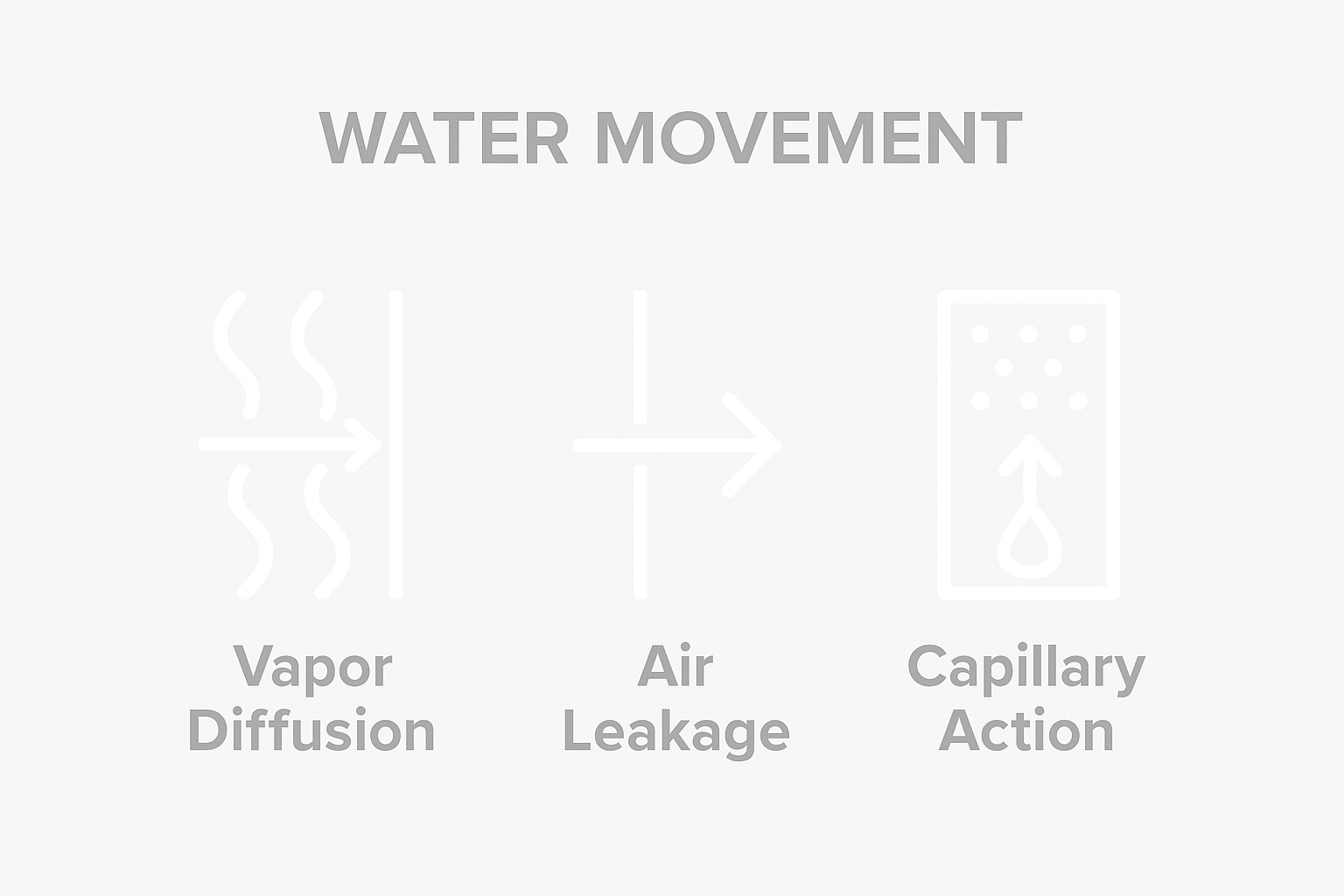
Critical water movement characteristics include:
To clarify the different mechanisms by which moisture affects buildings, the following table compares their characteristics and typical effects.
| Moisture Movement Mechanism | Description | Typical Impact on Buildings |
|---|---|---|
| Vapor Diffusion | Movement of water molecules through materials | Causes hidden condensation, dampness |
| Air Leakage | Movement of moist air via cracks and openings | Increases humidity, leads to mold growth |
| Capillary Action | Water movement through porous materials | Causes saturation, staining, material decay |
| Gravitational Migration | Downward flow of water due to gravity | Drives basement leaks, foundation issues |
| Surface Tension Interactions | Moisture travels along surfaces | Promotes hidden water spread, damage |
- Molecular diffusion through building materials
- Pressure-driven air movement
- Gravitational water migration
- Surface tension interactions
Barrier and Insulation Technologies
Successful moisture management requires strategic implementation of specialized barriers and insulation systems. These technological solutions create multilayered defense mechanisms that interrupt potential moisture pathways, preventing water penetration and minimizing condensation risks.
Key barrier technology components encompass:
- Vapor retarders
- Waterproof membranes
- Hydrophobic material treatments
- Advanced polymer-based protective layers
Environmental Interaction Strategies
Moisture management extends beyond physical barriers, involving comprehensive environmental interaction strategies. Professionals must consider complex relationships between temperature, humidity, air circulation, and material properties to develop holistic moisture control approaches.
By integrating scientific principles with advanced technological solutions, moisture management strategies transform passive building protection into dynamic, responsive systems. Property owners can now leverage sophisticated techniques that anticipate, detect, and mitigate potential moisture-related challenges before they escalate into significant structural problems.
Protect Your Home from the Hidden Dangers of Moisture
Worried about the long-term impact of excess moisture on your home’s structure and your family’s health? Our article explains how hidden water damage and poor moisture control can threaten your home and well-being. At Pro Value Contracting, we understand the urgency of fighting back against mold, rot, and the subtle damage caused by humidity that you often cannot see. Your home deserves real protection that is backed by proven moisture management strategies.

Do not let small water problems become expensive disasters. Put your trust in Pro Value Contracting’s restoration and construction experts who use advanced solutions to safeguard your property – from moisture detection to complete rebuilds after floods or leaks. Request a free estimate through our main website today and experience the security and peace of mind that only professional craftsmanship can deliver.
Frequently Asked Questions
What is moisture control in homes?
Moisture control in homes refers to the systematic techniques used to manage water vapor, liquid moisture, and humidity levels to prevent damage and maintain a healthy indoor environment.
Why is moisture control important for property owners?
Moisture control is essential to prevent structural deterioration, protect indoor air quality, reduce mold growth, and maintain the integrity of building materials.
What are the common causes of excess moisture in buildings?
Common causes include water intrusion from leaks, inadequate ventilation, high humidity levels, and poor drainage around the foundation.
How can moisture control systems help in maintaining my home?
Moisture control systems actively monitor humidity levels, detect potential moisture intrusion, and implement ventilation and dehumidification strategies to prevent water-related damages.
Recommended
- Top 5 Signs Your Property Needs Immediate Restoration – Pro Value Contracting
- Uncategorized – Pro Value Contracting
- Residential vs. Commercial Construction: Key Differences Every Client Should Know – Pro Value Contracting
- dev-admin – Pro Value Contracting
- Understanding Cannabis Moisture Control: What You Need to Know – California Blendz
- Por qué es importante eliminar humedades en casa – Solo Humedad