Written by Pro Value Contracting | Published on June 2025
Water damage is one of the most common and costly problems facing San Diego homeowners, with repair costs ranging from $1,200 to over $15,000 depending on the source and severity. The causes of water damage in San Diego homes range from aging plumbing to coastal humidity and flash flooding.
This article breaks down the most frequent culprits, explains why San Diego’s unique climate and housing stock make certain risks worse, and tells you exactly what to look for before a small leak becomes a major disaster.
Understand How Plumbing Failures Cause Water Damage
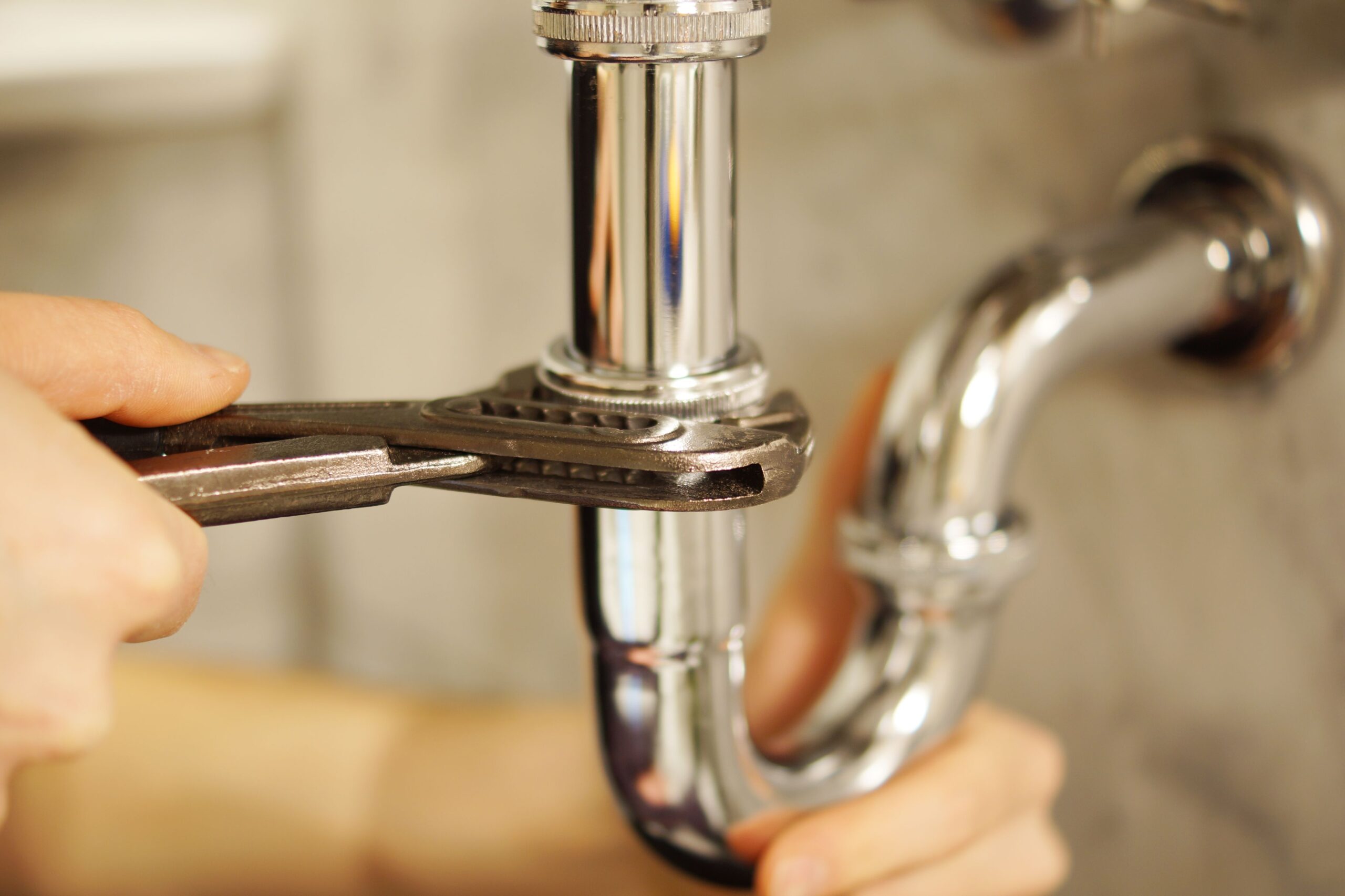
Plumbing failures are the single leading cause of water damage in San Diego homes. Pipes corrode, joints loosen, and supply lines fail, often without any visible warning signs until water is already spreading inside your walls or under your floors.
San Diego has a large inventory of homes built between the 1950s and 1980s. Many of these properties still have galvanized steel or older copper plumbing that is well past its service life. Galvanized pipes typically last 40 to 70 years before corrosion causes leaks or restricted flow.
Common plumbing failure points include:
- Supply line connections under sinks and behind toilets
- Water heater tank seams and pressure relief valves
- Corroded galvanized pipes in walls and crawl spaces
- Loose fittings at washing machine hose connections
- Pinhole leaks in copper pipes caused by hard water mineral buildup
If your home was built before 1985, scheduling a plumbing inspection every few years is a smart investment. Pro Value Contracting frequently responds to slow leak discoveries in older San Diego neighborhoods like City Heights, North Park, and Chula Vista.
Recognize Roof Leaks as a Major Water Damage Source
San Diego averages only about 11 inches of rain per year, but when storms do arrive, they often hit hard and fast. A roof that looks fine during dry months can fail quickly under concentrated rainfall, especially if it is more than 15 to 20 years old.
Roof-related water intrusion is one of the top causes of water damage in San Diego homes because many homeowners skip routine inspections during the long dry season. By the time November and December rains arrive, damaged flashing, cracked tiles, or clogged gutters are already a problem waiting to happen.
Watch for these roof leak warning signs:
- Water stains or discoloration on ceilings, especially near exterior walls
- Peeling paint or bubbling drywall near the roofline
- Missing, cracked, or curling roof tiles or shingles
- Sagging gutters or downspouts that direct water toward the foundation
- Dark spots or mold growth in attic spaces
Spanish tile roofs are extremely common in San Diego and can last 50 years or more, but the underlayment beneath the tiles degrades faster. Replacing underlayment every 20 to 25 years is critical even if the tiles themselves look perfect.
Compare Common Causes by Frequency and Average Repair Cost
Not all water damage sources are equal in terms of how often they occur or how much they cost to fix. The table below gives you a practical comparison of the most common causes of water damage in San Diego homes based on industry restoration data and local repair trends.
| Cause of Water Damage | How Common | Average Repair Cost Range | Typical Discovery Method |
|---|---|---|---|
| Plumbing pipe failure | Very common | $1,500 to $8,000 | Visible leak or water bill spike |
| Roof leak | Very common | $800 to $6,000 | Ceiling stain after rain |
| Appliance malfunction | Common | $1,200 to $5,000 | Puddle near appliance |
| HVAC condensation overflow | Common | $500 to $3,000 | Wet ceiling below air handler |
| Foundation or slab leak | Moderate | $2,000 to $15,000+ | Warm floor spots or high water bill |
| Stormwater intrusion | Seasonal | $1,000 to $10,000 | Wet crawl space or flooded garage |
| Sewage backup | Less common | $3,000 to $20,000+ | Slow drains or odor |
Keep in mind these ranges reflect restoration costs only and do not always include structural repairs, mold remediation, or content replacement. Acting fast when you notice any of these issues will almost always reduce the total cost significantly.
Explore How Appliance Malfunctions Lead to Costly Leaks
Household appliances are responsible for a surprisingly large share of residential water damage claims. Dishwashers, refrigerators with ice makers, washing machines, and water heaters all have supply lines, hoses, and internal components that wear out over time.
In San Diego, the combination of hard water and warm temperatures accelerates wear on rubber hoses and seals. Water heaters in particular are a frequent culprit. A standard tank water heater has a lifespan of 8 to 12 years, and failures often happen suddenly, dumping 40 to 80 gallons of water onto your floor.
Here is a breakdown of appliance risks and typical failure timelines:
| Appliance | Expected Lifespan | Common Failure Point | Recommended Action |
|---|---|---|---|
| Tank water heater | 8 to 12 years | Tank corrosion, anode rod failure | Replace at 10 years or inspect annually |
| Washing machine hoses | 5 to 8 years | Rubber hose cracks or bursts | Upgrade to braided stainless hoses |
| Dishwasher | 9 to 12 years | Door gasket leak, supply line | Inspect gasket and connections yearly |
| Refrigerator ice maker | 10 to 15 years | Plastic supply line cracking | Replace plastic line with braided line |
| HVAC air handler | 15 to 20 years | Clogged condensate drain pan | Clear drain line before summer season |
One simple preventive step is to turn off supply valves to appliances when you leave for vacation. A burst washing machine hose can release over 500 gallons per hour into your home if no one is there to catch it.
Identify How San Diego’s Climate Creates Unique Water Damage Risks
San Diego’s Mediterranean climate is a major draw for residents, but it also creates specific conditions that contribute to water damage in ways that are different from wetter regions. Understanding these local factors helps you protect your home more effectively.
The coastal marine layer brings persistent humidity to areas like Ocean Beach, Pacific Beach, and Mission Hills. This moisture can infiltrate poorly sealed walls, windows, and crawl spaces, causing slow but steady moisture accumulation that leads to mold and wood rot.
Inland areas like El Cajon and Santee face different risks. These neighborhoods experience hotter, drier summers followed by sudden winter storms. Drought-hardened soil loses its ability to absorb water quickly, which causes rapid surface runoff and increases the risk of stormwater entering garages, crawl spaces, and low-lying areas.
San Diego-specific climate risks include:
- Marine layer humidity causing hidden moisture buildup near the coast
- El Nino rain years that deliver 2 to 3 times the average annual rainfall in short bursts
- Hydrophobic (water-repellent) dry soil in inland valleys causing runoff and flooding
- High UV exposure accelerating roof material degradation and caulk cracking around windows
- Wildfire-affected hillsides losing vegetation cover, which dramatically increases mudflow and water runoff risk
Pro Value Contracting has seen a clear uptick in water damage calls following major El Nino events in the San Diego region. Preparing your property before storm season, not during it, makes all the difference.
Know How Foundation and Slab Leaks Damage San Diego Homes
Slab leaks are a particularly serious and sometimes overlooked cause of water damage in San Diego homes. Many properties in the region are built on concrete slab foundations, with water supply and drain pipes running directly through or beneath the slab.
Over time, pipes beneath the slab can corrode, shift due to soil movement, or develop pinhole leaks from electrolysis. San Diego’s soil conditions, which include expansive clay in some neighborhoods, can cause pipes to shift and develop stress fractures.
Signs you may have a slab leak include a sudden and unexplained increase in your water bill, warm or damp spots on tile or hardwood floors, the sound of running water when all fixtures are off, and cracks appearing in interior walls or flooring.
Slab leak repairs can range from $2,000 for a simple pipe repair to over $15,000 if extensive jackhammering and pipe rerouting is required. Early detection through an annual pressure test can save you thousands of dollars and significant structural headaches.
FAQs on Causes of Water Damage in San Diego Homes
What is the most common cause of water damage in San Diego homes?
Plumbing failures are the most common cause, particularly in homes built before 1985 with aging galvanized or copper pipes. Supply line failures under sinks and at water heater connections are frequent sources. Regular plumbing inspections are the best way to catch problems early.
Does San Diego’s dry climate mean I don’t need to worry about water damage?
Not at all. While San Diego gets less rain than many cities, the dry climate actually creates risks such as cracked caulk, degraded roof materials, and hydrophobic soil that causes rapid flooding during storms. Indoor plumbing failures and appliance leaks are not affected by outdoor rainfall at all.
How quickly does water damage become a mold problem in San Diego?
Mold can begin growing within 24 to 48 hours of water exposure, especially in warm indoor environments. San Diego’s consistently warm temperatures year-round make mold growth faster than in cooler climates. Calling a restoration company within the first 24 hours is critical to preventing mold.
Is water damage from a slab leak covered by homeowners insurance in San Diego?
Coverage depends on your specific policy. Most standard homeowners insurance policies in California cover sudden and accidental water damage but may exclude damage from long-term leaks or lack of maintenance. Review your policy carefully and document all damage as soon as it is discovered.
How do I know if my home has hidden water damage?
Common signs include musty odors in confined spaces, water stains on ceilings or walls, bubbling or peeling paint, warped flooring, and unexplained spikes in your water bill. A professional moisture inspection using thermal imaging can detect hidden moisture that is not visible to the naked eye.
Can heavy rains in San Diego cause flooding even in areas that rarely flood?
Yes. San Diego’s dry soil can become saturated quickly during intense storms, especially after dry summers. Areas not traditionally considered flood zones have experienced significant water intrusion during El Nino years. Checking your property’s drainage and grading before storm season is highly recommended.
Wrap Up and Next Steps
The causes of water damage in San Diego homes are varied, but the most common ones, including aging plumbing, roof failures, appliance leaks, and stormwater intrusion, are all preventable or detectable with routine attention.
Acting fast when you notice warning signs is the single most effective way to keep repair costs low and protect your home’s structure and air quality. Pro Value Contracting has helped hundreds of San Diego homeowners recover from water damage quickly and thoroughly.
If you suspect water damage or want a professional assessment, call Pro Value Contracting today at (888) 508-6580. Our team is ready to inspect your home, stop the damage, and get your property back to normal as fast as possible.