Written by Pro Value Contracting | Published on June 2025
Mold can begin growing in as little as 24 to 48 hours after water damage, and in San Diego’s mild coastal climate, that window can close even faster than it would in drier inland regions. This post covers the science behind that timeline, why San Diego homes face specific risk factors, and what steps you need to take immediately after a water incident to protect your property.
Understand the 24 to 48 Hour Mold Growth Timeline
The 48-hour rule is not a scare tactic. It is grounded in how mold spores actually behave. Mold spores are always present in the air inside your home. They become a problem the moment they land on a wet surface with an organic material to feed on.
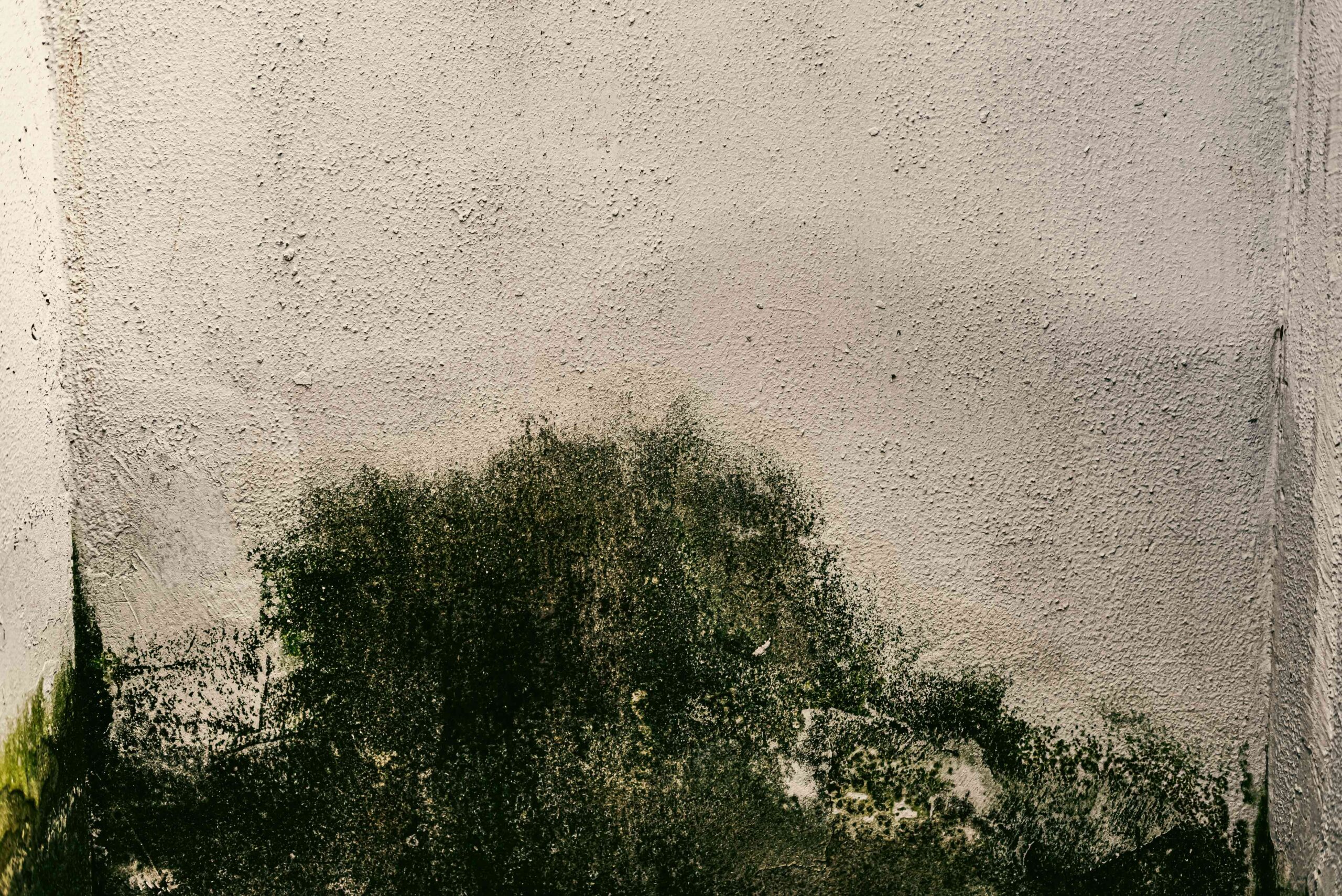
Within the first 24 hours, spores begin germinating if they have moisture, warmth, and a food source like drywall, wood framing, or carpet padding. By 48 hours, colonies can be visibly forming and spreading into wall cavities.
After 72 hours, mold growth accelerates rapidly. Structural materials that could have been dried and saved must now be removed and replaced. What starts as a drying job becomes a full remediation project, and the cost jumps accordingly.
The key takeaway: every hour you wait after water damage is an hour mold uses to establish itself deeper into your building materials.
Recognize Why San Diego Homes Are at Higher Risk
San Diego is often described as having perfect weather, but that same mild, moisture-laden air creates ideal conditions for rapid mold growth after water damage. Coastal humidity levels regularly sit between 70 and 85 percent, especially in neighborhoods like Ocean Beach, Pacific Beach, and La Jolla.
Higher ambient humidity means wet materials dry more slowly on their own. A flooded bathroom that might air-dry in 48 hours in Phoenix could stay damp for five or more days in a coastal San Diego home without professional drying equipment.
San Diego also has a large stock of older homes, many built before modern moisture barriers and vapor retarders were standard. Older construction methods mean water can penetrate and hide in areas that are harder to detect and dry without thermal imaging and professional moisture meters.
Additionally, San Diego’s rainy season, typically running from November through March, can bring intense storm events that overwhelm drainage systems and cause water intrusion in areas that rarely see rain the rest of the year. Homeowners are often caught off guard because it has not rained for months.
Identify the Most Common Sources of Water Damage in San Diego Homes
Knowing where water damage most commonly originates helps you catch problems early. Pro Value Contracting responds to these sources most frequently across San Diego County.
- Burst or leaking supply lines: Washing machine hoses and refrigerator ice maker lines fail without warning and can dump dozens of gallons onto flooring in minutes.
- Slab leaks: San Diego has a high rate of slab leaks due to older copper piping and shifting soil. Water seeps up through concrete slabs and saturates flooring from below.
- Roof leaks during storm season: Even a minor roof compromise can allow significant water intrusion during a heavy winter rain event.
- Water heater failures: Tank-style water heaters have a typical lifespan of 8 to 12 years. A failed unit can release 40 to 80 gallons into a garage or utility closet.
- Sewage backups: Category 3 water damage that involves sewage requires immediate action due to both mold risk and serious health hazards.
- HVAC condensation issues: Clogged condensate drain lines in air conditioning units can slowly leak water into ceilings and walls over days or weeks before being noticed.
Compare the Cost of Acting Fast Versus Waiting
One of the clearest ways to understand the urgency is to look at what water damage restoration actually costs at different stages. The numbers below reflect typical project ranges in the San Diego market based on industry data and local conditions.
| Response Timing | Typical Damage Scope | Estimated Restoration Cost |
|---|---|---|
| Within 24 hours | Drying and dehumidification only | $1,500 to $3,500 |
| 24 to 48 hours | Drying plus some drywall removal | $3,500 to $7,000 |
| 48 to 72 hours | Mold remediation begins, structural drying | $7,000 to $15,000 |
| 72 hours or more | Extensive mold remediation, full rebuild | $15,000 to $40,000+ |
These ranges vary based on the square footage affected, the water category (clean water vs. sewage), and the building materials involved. But the pattern is clear: every 24 hours of delay can mean thousands of dollars in additional costs.
Most San Diego homeowners also have water damage coverage through their homeowners insurance, but policies often require that the homeowner take reasonable steps to mitigate damage promptly. Waiting too long can give an insurer grounds to reduce or deny a claim.
Know What Professional Water Damage Restoration Actually Involves
Many homeowners assume they can handle water damage with fans from the hardware store and a shop vac. That approach almost always leads to hidden moisture pockets, mold growth inside walls, and a much larger problem weeks later.
Professional restoration is a systematic process. Here is what a proper response looks like when a team like Pro Value Contracting arrives on site.
- Inspection and moisture mapping: Technicians use thermal imaging cameras and professional-grade moisture meters to map every affected area, including inside walls and under flooring where water migrates invisibly.
- Water extraction: Truck-mounted or portable extraction units remove standing water far more effectively than consumer equipment.
- Controlled demolition: Wet drywall, baseboards, flooring, and insulation that cannot be dried are removed to expose framing for drying. This step prevents mold from growing inside closed wall cavities.
- Drying and dehumidification: Commercial air movers and LGR dehumidifiers run continuously, often for three to five days, with daily moisture readings to track drying progress.
- Antimicrobial treatment: Affected surfaces are treated to inhibit mold growth during and after drying.
- Documentation for insurance: A proper restoration company documents every step with photos, moisture readings, and equipment logs to support your insurance claim.
Recognize the Health Risks of Delayed Mold Remediation
Mold is not just a structural problem. It is a health problem. The longer mold is allowed to grow after water damage, the greater the exposure risk for everyone in the home, especially children, elderly residents, and anyone with respiratory conditions or allergies.
Common mold species found after water damage in San Diego homes include Cladosporium, Penicillium, Aspergillus, and in cases of prolonged moisture, Stachybotrys chartarum, often called black mold. Each can cause respiratory irritation, allergic reactions, and worsening asthma symptoms.
California’s Department of Public Health recommends that any visible mold growth greater than 10 square feet be handled by a professional remediation contractor. In San Diego, licensed mold remediation work must follow California Code of Regulations guidelines for worker protection and containment.
If your home has a mold problem that developed from water damage, you should not attempt to clean it with bleach and call it done. Surface cleaning does not address mold inside wall cavities or beneath flooring, which is where the real growth happens.
Review San Diego-Specific Regulations for Water and Mold Restoration
Water damage restoration and mold remediation in California operate under specific rules that affect how work must be done and who can do it legally.
| Regulation Area | Requirement | Applies To |
|---|---|---|
| Contractor Licensing | California Contractors State License Board (CSLB) license required | All restoration contractors in San Diego |
| Mold Remediation | California Health and Safety Code Section 17920.3 defines mold as a substandard condition | Rental properties, residential homes |
| Asbestos Testing | Homes built before 1978 may require asbestos survey before demolition | Pre-1978 construction in San Diego County |
| Disposal Requirements | Mold-contaminated materials must be bagged and disposed of per San Diego County waste regulations | All mold remediation projects |
| Disclosure Laws | Sellers must disclose known mold and water damage history under California Civil Code 1102 | Real estate transactions |
Hiring a properly licensed contractor matters both for compliance and for your insurance claim. Pro Value Contracting carries all required California licenses and follows San Diego County disposal and remediation protocols on every project.
FAQs on Water Damage and Mold in San Diego
How quickly does mold grow after a water leak in San Diego?
Mold can begin germinating within 24 hours and form visible colonies within 48 hours after water damage occurs. San Diego’s coastal humidity accelerates this process compared to drier climates, making a fast response even more important here than in other parts of California.
Does homeowners insurance in California cover mold from water damage?
Most standard California homeowners insurance policies cover mold remediation if the mold resulted from a covered water damage event, such as a burst pipe. However, coverage is often capped and can be denied if the insurer determines the homeowner failed to act promptly to stop the damage. Document everything and call a professional restoration company immediately.
Can I dry out water damage myself without calling a professional?
Consumer fans and dehumidifiers are not powerful enough to dry wall cavities and subfloor materials before mold begins to grow. Without professional moisture meters and thermal imaging, you also cannot confirm that hidden areas are actually dry. Most DIY drying attempts result in mold growth inside walls that is discovered weeks or months later.
What is the difference between water damage restoration and mold remediation?
Water damage restoration focuses on extracting water and drying affected materials before mold establishes itself. Mold remediation is a separate process required when mold colonies have already formed, involving containment, removal of contaminated materials, and treatment of affected surfaces. Responding within 48 hours keeps you in restoration territory and out of the more expensive remediation process.
How do I know if I have mold inside my walls after water damage?
Common signs include a musty or earthy odor that does not go away, discoloration on drywall or ceilings, and worsening allergy symptoms in occupants. A professional restoration company can use thermal imaging and moisture meters to detect hidden moisture and early mold growth without opening walls unnecessarily.
How long does water damage restoration take in San Diego?
The drying phase typically takes three to five days using commercial equipment, followed by any necessary rebuild work. Total project timelines range from one week for minor water damage to four to six weeks for large losses involving mold remediation and structural repairs. Your specific timeline depends on the affected area, materials involved, and extent of damage.
Wrap Up and Next Steps
The 48-hour mold rule is real, and in San Diego’s coastal climate, the margin for error is even smaller than in drier parts of the country. Acting within the first few hours after water damage is the single most effective thing you can do to protect your home and your wallet.
Pro Value Contracting is a locally based water damage restoration company serving San Diego, CA. Our team responds quickly, uses professional-grade drying equipment, and handles insurance documentation so you do not have to manage that process alone. Call us at (888) 508-6580 to schedule an emergency response or request a quote, and we will get a technician to your property fast.