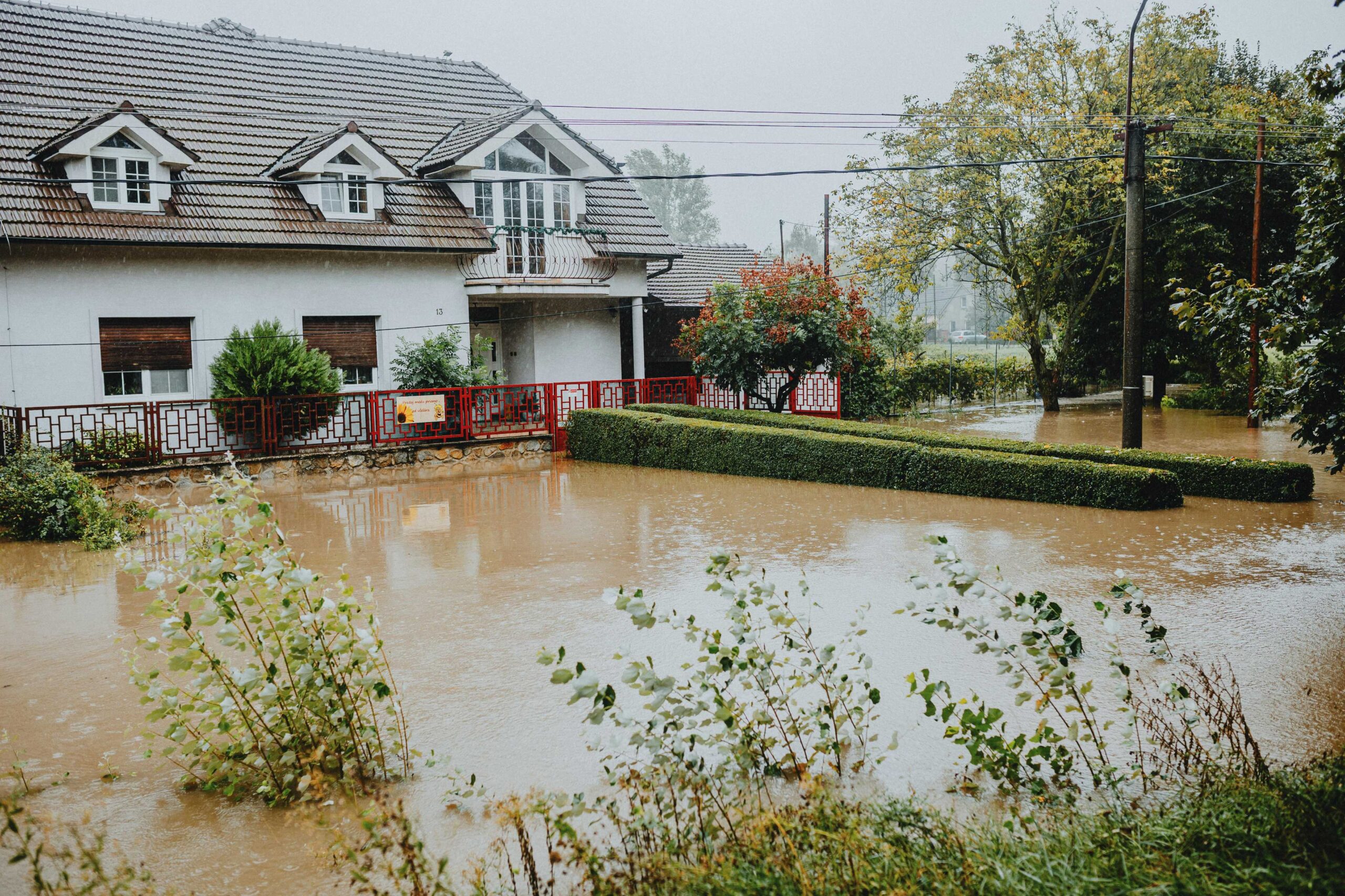
Written by Pro Value Contracting | Published on June 2025
The first hour after flood damage is the most critical window for limiting destruction and protecting your family. Acting fast can reduce total repair costs by 30 to 50 percent compared to waiting even a few hours. This guide covers every action San Diego homeowners should take from the moment water enters the home.
Prioritize Safety Before Anything Else
Before you grab a mop or call anyone, your safety comes first. Floodwater hides serious hazards that are not always visible, especially indoors.
- Turn off electricity at the main breaker if water has reached outlets, appliances, or walls. Do not enter a flooded room if the power is still on.
- Shut off the main water supply if the flooding came from a burst pipe or appliance failure.
- Do not walk through standing water without rubber boots. Floodwater can carry sewage, chemicals, and sharp debris.
- Check for gas leaks. If you smell gas, leave the home immediately and call SoCalGas at 1-800-427-2200 before calling anyone else.
- Keep children and pets out of the affected area entirely until the space has been assessed.
San Diego homes built before 1980 may contain asbestos or lead paint. Floodwater disturbing these materials creates additional health risks. If your home is older, mention this when you call for professional help.
Identify the Source of the Flooding
Knowing where the water came from affects everything, including your insurance claim, the cleanup approach, and how long drying will take. Not all floodwater is the same.
| Water Category | Source Examples | Health Risk | Typical Cleanup Timeline |
|---|---|---|---|
| Category 1 (Clean) | Burst supply line, overflowing sink | Low | 1 to 3 days |
| Category 2 (Gray) | Dishwasher leak, washing machine overflow | Moderate | 3 to 5 days |
| Category 3 (Black) | Sewage backup, storm surge, rising groundwater | High | 5 to 10 days or more |
In San Diego, heavy rain events often push groundwater up through foundation cracks or overwhelm storm drains. This typically produces Category 3 water, which requires professional handling with proper protective equipment.
If you are unsure of the source, treat the water as Category 3 until a professional confirms otherwise. Pro Value Contracting can assess water category on arrival and guide you on how to handle the space safely.
Document Everything for Your Insurance Claim
Before you move or remove anything, document the damage thoroughly. Insurance adjusters need evidence of the original condition to process your claim accurately.
- Take photos and videos of every affected room from multiple angles before touching anything.
- Photograph damaged furniture, appliances, flooring, walls, and personal belongings individually.
- Note the water level on walls using a marker if it is still rising. This helps adjusters estimate volume.
- Write down the time you first noticed the flooding and what you believe caused it.
- Save any receipts for emergency purchases like a water pump, fans, or temporary lodging.
- Avoid throwing anything away until your adjuster has seen it in person or approved disposal.
California homeowners insurance typically does not cover groundwater flooding. That requires a separate flood policy through the National Flood Insurance Program (NFIP). Knowing this before you file helps you avoid a denied claim and wasted time.
Start Water Removal if It Is Safe to Do So
Every minute water sits in your home, it soaks deeper into flooring, drywall, and structural framing. Removing standing water quickly reduces the overall drying time and mold risk significantly.
If the water level is low and electricity is safely off in the area, you can begin basic extraction while waiting for professionals to arrive. Here is what to use based on water depth.
| Water Depth | Recommended Removal Tool | Estimated Removal Speed |
|---|---|---|
| Under 1 inch | Wet/dry shop vac (e.g., RIDGID 16-gallon) | 100 to 200 sq ft per hour |
| 1 to 3 inches | Submersible utility pump | 300 to 500 gallons per hour |
| Over 3 inches | Professional truck-mounted extractor | 1,000 plus gallons per hour |
Do not use a regular household vacuum. It is not built for water and creates an electrocution risk. Open windows and interior doors to improve air circulation after water is removed.
Pro Value Contracting uses truck-mounted extraction equipment that removes water far faster than any rental unit. Getting professionals on-site within the first hour is always the most effective approach.
Protect Valuables and Prevent Secondary Damage
Once standing water is reduced or removed from the immediate area, move quickly to protect your belongings and stop the damage from spreading to dry areas of the home.
- Move furniture, rugs, and personal items to a dry area or outside if weather allows. Lift furniture legs off wet floors using aluminum foil squares or wood blocks.
- Remove wet area rugs from hardwood or laminate floors immediately. Rugs trap moisture and cause floors to warp or buckle within hours.
- Open cabinet doors under sinks and in bathrooms to allow airflow to damp interior walls.
- Place towels along the edges of doorways to prevent water from spreading to adjacent rooms.
- If the ceiling shows water stains or is sagging, place a bucket underneath and do not touch the bulge. A saturated ceiling can collapse.
San Diego’s mild climate means outdoor drying is often possible even in winter months. Moving salvageable items outside quickly can save them from additional moisture damage while the indoor drying process begins.
Call a Licensed Water Damage Restoration Company
DIY efforts in the first hour buy you time, but professional restoration is required for any significant flood event. Structural drying, mold prevention, and sanitization require commercial-grade equipment and trained technicians.
When you call, give the company the following information upfront so they can arrive prepared.
- The approximate square footage of the affected area.
- The water source (if known) and water category.
- Whether electricity has been shut off.
- Any known hazards like asbestos, gas, or structural damage.
- Your insurance carrier name and policy number if you have it ready.
In San Diego, a licensed restoration company should hold a California Contractors State License Board (CSLB) license. Ask for the license number when you call. Reputable companies like Pro Value Contracting will provide it without hesitation.
Restoration crews typically begin arriving within 60 to 90 minutes of your call in the San Diego area. The sooner they arrive, the less chance mold has to establish itself, since mold can begin growing in as little as 24 to 48 hours in San Diego’s warm indoor environments.
Understand the Timeline of Water Damage After a Flood
Flood damage does not stop when the water stops flowing. Understanding the timeline helps you appreciate why speed matters and what happens if action is delayed.
| Time After Flooding | What Happens to Your Home |
|---|---|
| 0 to 1 hour | Water soaks into porous materials, drywall begins absorbing moisture, hardwood starts swelling. |
| 1 to 24 hours | Drywall softens and warps, metal fixtures begin to tarnish, musty odors develop. |
| 24 to 48 hours | Mold spores begin to colonize, wood structures start to swell and crack, paint blisters. |
| 48 hours to 1 week | Mold growth accelerates, biohazard risk increases, structural integrity of walls and floors is compromised. |
| Over 1 week | Serious structural damage, widespread mold infestation, potential for full gut renovation required. |
San Diego homes with stucco exteriors face an added challenge. Stucco traps moisture behind the surface, making it harder to detect and dry hidden wall cavities. Professional moisture meters are the only reliable way to confirm walls are fully dry.
FAQs on Flood Damage Response in San Diego
How quickly does mold grow after flooding in a San Diego home?
Mold can begin growing within 24 to 48 hours of water exposure, especially in San Diego’s warmer indoor temperatures. Acting within the first hour to remove water and begin drying significantly reduces mold risk. Professional drying equipment is far more effective than household fans at preventing mold growth.
Will my homeowners insurance cover flood damage from heavy rain in San Diego?
Standard homeowners insurance in California generally does not cover flood damage caused by groundwater or storm surge. That type of coverage requires a separate flood insurance policy through the NFIP or a private flood insurer. Damage from a burst internal pipe is usually covered, so always confirm the water source with your insurer before filing.
Is it safe to stay in my San Diego home during water damage restoration?
It depends on the extent of the damage and the water category. Category 3 water (sewage or groundwater) makes a home unsafe to occupy until the area is fully sanitized. Even with clean water flooding, industrial drying equipment runs continuously and makes the space loud and difficult to live in. Your restoration company can advise you on whether temporary relocation is necessary.
How long does water damage restoration take for a San Diego home?
Drying alone typically takes 3 to 5 days for clean water events and up to 10 days for more severe or contaminated flooding. Repairs to flooring, drywall, and paint happen after drying is confirmed complete. Total restoration can range from one week for minor damage to four to six weeks for major events.
What documents do I need when calling a water damage restoration company?
Having your insurance policy number, carrier contact information, and any photos of the damage ready will speed up the process. You do not need all of this before calling since restoration begins before the claim is settled. A good restoration company will help coordinate with your insurance adjuster directly.
Does Pro Value Contracting offer emergency flood response in San Diego?
Yes. Pro Value Contracting provides emergency water damage response across San Diego, CA with fast arrival times. You can reach the team any time by calling (888) 508-6580. The sooner you call, the more the crew can do to limit damage and reduce your total restoration cost.
Wrap Up and Next Steps
The first hour after flood damage is your biggest opportunity to limit the destruction and protect your home. Focus on safety first, document the damage thoroughly, start basic water removal if it is safe, and call a licensed restoration company as fast as possible.
Pro Value Contracting serves San Diego homeowners with fast, professional flood damage restoration backed by licensed technicians and commercial-grade equipment. Call us now at (888) 508-6580 to get a crew dispatched to your home and start protecting what matters most.