Written by Pro Value Contracting | Published on July 2025
Wildfire smoke damage and structure fire damage are not the same problem, even though both involve fire and smoke. Structure fires typically cause concentrated heat damage, heavy soot, and direct char, while wildfire smoke infiltrates a home from the outside and deposits fine acidic particles throughout. This article covers how each type of damage is assessed, why the cleanup methods differ, and what San Diego homeowners should know before starting restoration.
Understand the Core Differences Between Wildfire Smoke and Structure Fire Damage
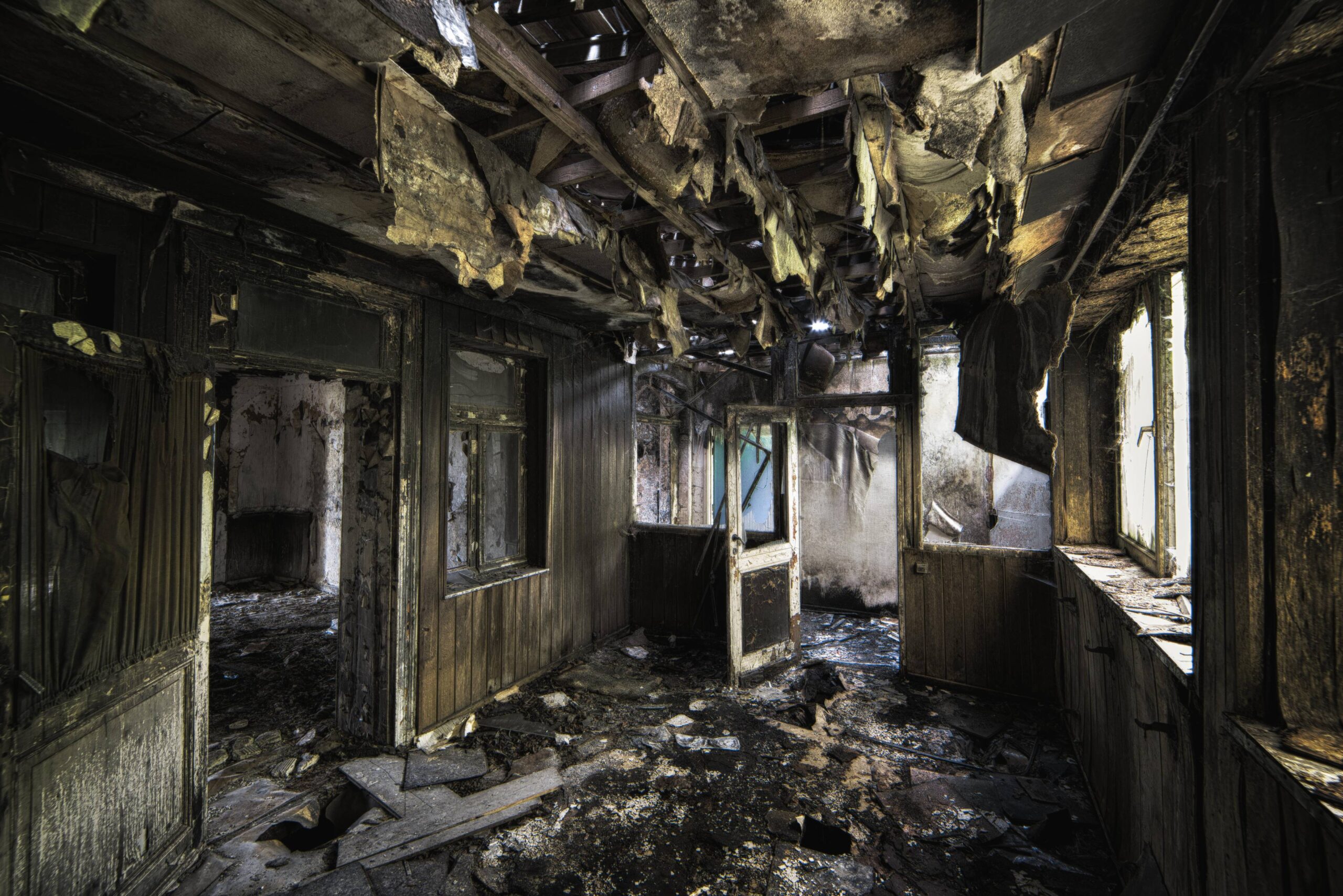
A structure fire burns materials inside your home, including wood, drywall, plastics, and textiles. The smoke from a structure fire is dense, oily, and deposits thick wet or dry soot on every surface it touches.
Wildfire smoke behaves differently. It travels long distances and carries fine particles from burning vegetation, synthetic materials from other homes, and ash. These particles are smaller and penetrate deeper into porous surfaces, HVAC systems, and even wall cavities.
In San Diego, the wildfire season runs roughly from late spring through fall, and homes in areas like Santee, Ramona, and Valley Center regularly face smoke infiltration without ever having a flame touch the structure.
Both types of damage require professional restoration, but the tools, chemicals, and processes are meaningfully different. Treating a wildfire smoke job the same way as a structure fire job leads to incomplete cleanup and recurring odor problems.
Compare Damage Characteristics Side by Side
Knowing what each type of damage looks and smells like helps you communicate accurately with your insurance adjuster and your restoration contractor.
| Characteristic | Structure Fire Damage | Wildfire Smoke Damage |
|---|---|---|
| Soot type | Wet, oily, or dry soot depending on materials burned | Fine, dry, powdery ash and particle deposits |
| Odor intensity | Strong, acrid, localized | Pervasive, musty, harder to locate the source |
| Surface damage | Char, warping, discoloration near burn origin | Yellowing, light discoloration, no char |
| HVAC impact | Moderate, smoke pulled through ducts | High, fine particles bypass standard filters |
| Health risk | Carbon residue, toxic off-gassing from burned materials | PM2.5 particles, long-term respiratory risk |
| Structural damage | Often significant, may require rebuilding | Rare unless embers reached the structure |
This table is a general guide. Every fire event is unique, and a professional assessment is always needed before restoration begins.
Learn How Structure Fire Restoration Works Step by Step
Structure fire restoration is an intensive process that typically follows a defined sequence. The extent of work depends on how much of the home was affected by flames, smoke, and firefighting water.
- Emergency board-up and tarping: Securing openings to prevent weather and vandalism damage immediately after the fire.
- Water extraction: Firefighting water causes significant secondary damage. Extraction and drying must happen within 24 to 48 hours.
- Debris removal and demolition: Charred materials, compromised drywall, flooring, and cabinetry are removed down to clean structure.
- Soot and residue cleaning: Technicians use dry sponges, chemical sponges, and specialized cleaning agents matched to the soot type.
- Deodorization: Thermal fogging, ozone treatments, or hydroxyl generators are used to neutralize deep odors in walls and subfloors.
- Rebuild and restoration: Framing, drywall, painting, flooring, and fixture reinstallation bring the home back to pre-loss condition.
The timeline for structure fire restoration in San Diego ranges from a few weeks for minor fires to 6 months or more for homes with significant structural damage. Pro Value Contracting handles both the mitigation and rebuild phases, which reduces delays between contractors.
Learn How Wildfire Smoke Restoration Works Step by Step
Wildfire smoke restoration focuses on removing fine particles and eliminating odor from a home that was never directly touched by flame. The process is less about demolition and more about deep cleaning and air quality restoration.
- Air quality testing: Measuring PM2.5 and VOC levels inside the home establishes a baseline and identifies the most contaminated areas.
- HVAC system cleaning: Ducts, coils, and filters are cleaned or replaced. Wildfire smoke particles accumulate heavily in ductwork and recirculate if not addressed.
- Surface cleaning: Ceilings, walls, countertops, and hard surfaces are wiped down with pH-balanced cleaners that lift acidic smoke residue without damaging finishes.
- Soft goods assessment: Upholstered furniture, mattresses, drapes, and clothing may need professional ozone treatment or replacement depending on saturation levels.
- Deodorization: Hydroxyl generators are often preferred for wildfire smoke because they are safe to run continuously in occupied or partially occupied spaces.
- Sealing porous surfaces: In heavy exposure cases, paint and drywall may be sealed with a shellac-based or odor-blocking primer to lock in remaining particles.
Wildfire smoke restoration in San Diego can take anywhere from 3 days for mild exposure to several weeks for homes near a major fire event. The 2025 fire season has already prompted dozens of smoke-related service calls across the county.
Compare Restoration Costs for Each Damage Type
Cost is one of the first questions homeowners ask after fire or smoke damage. The ranges below reflect typical projects in San Diego, CA, based on scope and square footage.
| Damage Type | Average Cost Range | Key Cost Drivers |
|---|---|---|
| Minor structure fire (one room) | $3,000 to $15,000 | Water damage, soot type, material replacement |
| Major structure fire (whole home) | $30,000 to $150,000+ | Structural rebuild, scope of demolition, code upgrades |
| Mild wildfire smoke (light exposure) | $1,500 to $5,000 | HVAC cleaning, surface wipe-down, deodorization |
| Heavy wildfire smoke (prolonged exposure) | $5,000 to $25,000 | Duct replacement, sealing, content restoration |
Most homeowner insurance policies in California cover fire and smoke damage. Document everything with photos before any cleanup begins, and contact your insurer before signing restoration contracts.
Pro Value Contracting works directly with insurance adjusters and can provide detailed line-item estimates that align with Xactimate pricing standards used by most insurers.
Identify Why San Diego Homes Face Unique Risks from Both Damage Types
San Diego’s geography and climate create conditions that increase risk from both structure fires and wildfire smoke. The combination of Santa Ana winds, dry chaparral, and dense housing in the urban-wildland interface makes the region one of the highest-risk fire zones in the country.
- Older homes in neighborhoods like Mission Hills, North Park, and City Heights often have aging electrical systems that increase structure fire risk.
- Newer construction in East County communities is designed with fire-resistant materials, but smoke infiltration through older HVAC systems remains a problem.
- San Diego County enforces defensible space requirements under California PRC 4291, which helps reduce direct fire exposure but does not eliminate smoke damage risk.
- The region’s low humidity accelerates smoke particle bonding to surfaces, making prompt cleanup more important than in wetter climates.
- Many San Diego homes use ducted forced-air systems, which can rapidly distribute wildfire smoke particles throughout the entire home in just a few hours.
Understanding your home’s specific vulnerabilities helps you prioritize restoration efforts and communicate clearly with your contractor about what areas need the most attention.
FAQs on Wildfire Smoke and Structure Fire Restoration
Can I clean wildfire smoke damage myself without hiring a professional?
Mild surface-level smoke residue can be wiped down by homeowners using appropriate cleaners, but deep odor removal and HVAC decontamination require professional equipment. Without treating the HVAC system and porous surfaces, smoke odor will return, often within weeks of a DIY cleanup.
How long does wildfire smoke odor last in a home if untreated?
Untreated wildfire smoke odor can persist for months or even years because fine particles embed in insulation, drywall, and wood framing. Heat from your HVAC system reactivates odors seasonally. Professional deodorization with hydroxyl generators or ozone treatment is the most effective long-term solution.
Does homeowners insurance cover wildfire smoke damage in California?
Yes, standard homeowners insurance policies in California typically cover smoke damage from wildfires under the fire damage provision. You do not need to have experienced direct flame contact for the claim to be valid. Document all affected areas with photos before starting any cleanup and notify your insurer promptly.
What is the difference between dry soot and wet soot after a structure fire?
Dry soot comes from fast-burning, high-temperature fires involving natural materials like wood. It is powdery and easier to vacuum up without smearing. Wet soot results from slow-burning, low-temperature fires involving synthetics and plastics, and it is sticky, smears easily, and requires chemical cleaning agents to remove properly.
How do I know if my HVAC system was contaminated by wildfire smoke?
Signs of HVAC contamination include persistent smoke odor when the system runs, visible gray or brown dust on supply registers, and a film on surfaces in rooms that were closed during the fire event. A professional duct inspection with a camera is the most accurate way to confirm contamination levels.
Should I stay in my home during wildfire smoke or structure fire restoration?
For structure fire restoration, temporary relocation is almost always necessary due to debris, hazardous materials, and active construction. For wildfire smoke restoration, it depends on air quality readings. If PM2.5 levels inside the home are elevated, staying elsewhere during the deodorization phase is the safest choice.
Wrap Up and Next Steps
Wildfire smoke and structure fire damage require different tools, different chemicals, and different timelines. Treating them the same way leads to incomplete results and ongoing odor and health problems. Knowing which type of damage you are dealing with is the first step toward a proper restoration plan.
If your San Diego home has been affected by fire or smoke damage, Pro Value Contracting is ready to help. Call us at (888) 508-6580 to schedule an assessment and get a clear, documented estimate for your restoration project.