Written by Pro Value Contracting | Published on July 2025
Working with your insurance adjuster after fire damage starts with one priority: document everything before anything is moved or cleaned. The more evidence you preserve, the stronger your claim will be. This article covers how San Diego homeowners can prepare for the adjuster visit, avoid common mistakes, and get a fair settlement for fire and smoke damage restoration.
Understand What an Insurance Adjuster Actually Does
An insurance adjuster is hired by your insurance company to assess the damage and determine how much your policy will pay out. It is important to understand that the adjuster works for the insurer, not for you. Their job is to document the loss accurately, but their estimate may not always reflect the true cost of restoration.
There are two main types of adjusters you may encounter after a fire loss.
- Staff adjusters: Employees of your insurance company who handle claims directly on the company’s behalf.
- Independent adjusters: Contractors hired by the insurer to manage overflow claims, especially after widespread disasters like the wildfires common in San Diego County.
- Public adjusters: These work for YOU, not the insurer. You hire them to advocate for a higher or fairer settlement.
Knowing who is in the room during your inspection changes how you prepare. If you feel the adjuster’s estimate is too low, you have the right to request a second opinion or hire a public adjuster.
Document the Fire Damage Before the Adjuster Arrives
The most important thing you can do in the hours after a fire is document every inch of damage before restoration begins. Photos, videos, and written inventories are the foundation of a strong claim.
Here is a step-by-step approach to documentation that San Diego homeowners should follow immediately after the fire is extinguished and the property is declared safe to enter.
- Walk through every room and record video footage before touching anything.
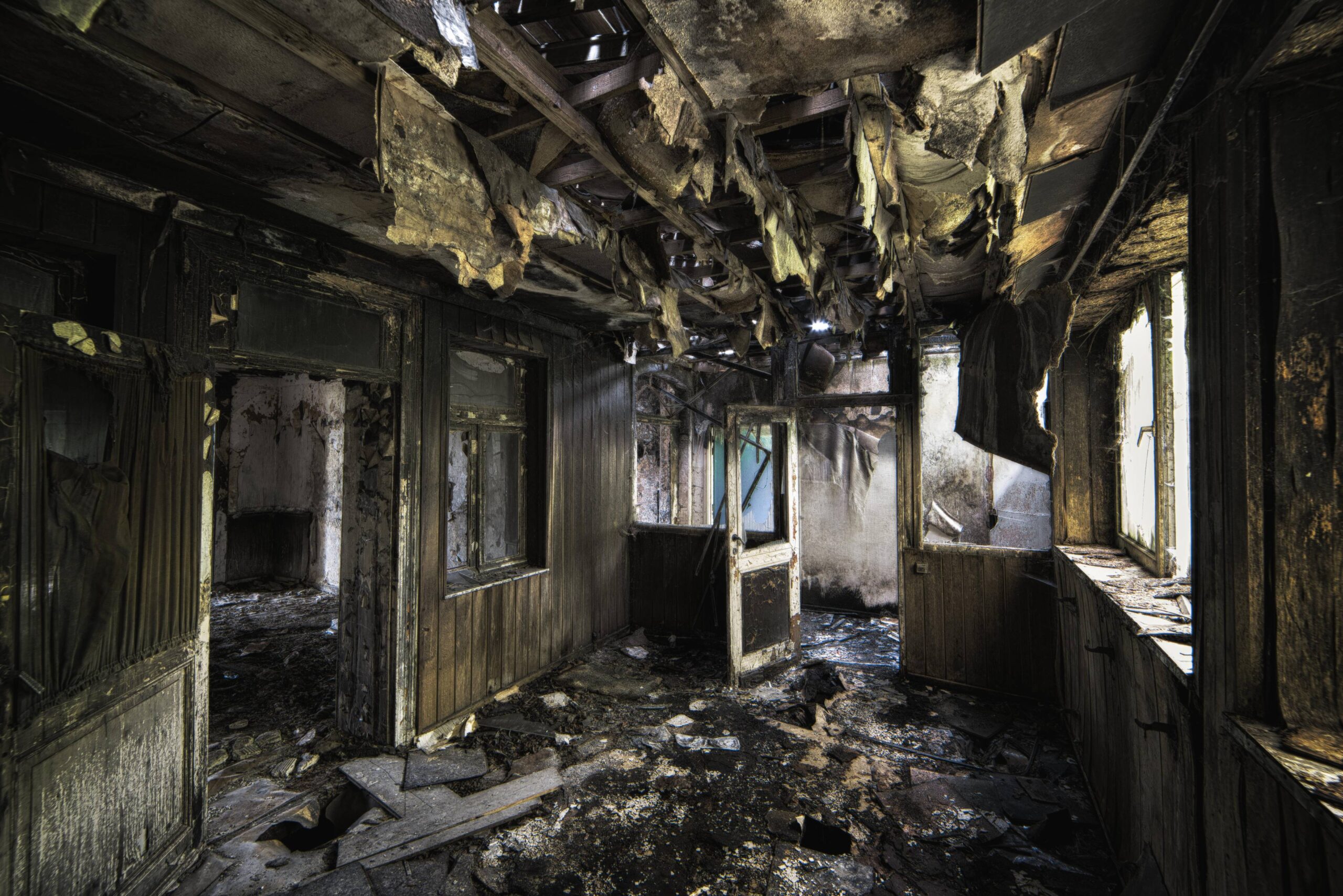
- Photograph structural damage, charred walls, melted fixtures, and smoke staining on ceilings.
- Create a written inventory of every damaged or destroyed personal item, including model numbers and approximate purchase dates where possible.
- Save any receipts, bank statements, or online order history that can verify the value of lost belongings.
- Document smoke and water damage separately, since firefighting efforts often cause secondary damage that is also covered.
- Note any damage to HVAC systems, ductwork, and attic insulation, which are common in San Diego homes built in the 1970s and 1980s.
Do not throw anything away before the adjuster visits. Even badly burned items serve as proof of loss. Discarding them early can weaken your claim significantly.
Know What Your Policy Covers Before the Inspection
Before the adjuster arrives, pull out your homeowner’s insurance policy and review it carefully. Fire damage coverage varies widely between policies, and knowing your limits helps you advocate for yourself during the inspection.
| Coverage Type | What It Covers | Common Limits |
|---|---|---|
| Dwelling Coverage (Coverage A) | Structural repairs to the home itself | Equal to estimated rebuild cost |
| Personal Property (Coverage C) | Furniture, electronics, clothing, appliances | 50-70% of dwelling coverage |
| Loss of Use (Coverage D) | Temporary housing and living expenses | 20-30% of dwelling coverage |
| Smoke and Soot Damage | Cleaning and deodorization of affected areas | Typically included in dwelling coverage |
| Code Upgrade Coverage | Rebuilding to current California building codes | Often requires a separate endorsement |
California law requires that insurers offer extended replacement cost coverage. This is especially important in San Diego, where rebuild costs have risen sharply due to labor shortages and material costs following recent wildfire seasons.
If you have a depreciated actual cash value policy instead of a replacement cost value policy, your payout will be lower. Know which type you have before the adjuster arrives.
Prepare for the Adjuster Visit With These Practical Steps
The adjuster visit is your opportunity to present a thorough picture of the damage. Being prepared makes a real difference in the outcome of your claim.
- Have your documentation ready: photos, videos, and the written inventory organized and easy to share.
- Be present during the entire inspection. Do not leave the adjuster to walk through the property alone.
- Point out damage that is not visually obvious, such as smoke odor embedded in walls, HVAC contamination, or warped flooring under rugs.
- Ask the adjuster to explain each line item in their estimate before they leave.
- Take notes or record the conversation if the adjuster agrees to it.
- Request a copy of the adjuster’s damage report in writing.
Pro Value Contracting recommends that San Diego homeowners request a restoration contractor be present during or immediately after the adjuster visit. A contractor can identify hidden damage that adjusters sometimes overlook, such as smoke infiltration inside wall cavities or fire suppression water damage to subfloors.
Compare the Adjuster’s Estimate to a Contractor’s Estimate
Once you receive the adjuster’s written estimate, do not assume it is final. Get an independent estimate from a licensed fire damage restoration contractor and compare the two side by side.
| Restoration Task | Adjuster Estimate Range | Typical Contractor Range |
|---|---|---|
| Smoke and soot cleaning (per room) | $300 – $600 | $400 – $900 |
| Structural drywall replacement | $1,500 – $3,000 | $2,000 – $5,000 |
| HVAC duct cleaning and decontamination | $500 – $1,200 | $800 – $2,500 |
| Odor removal and air scrubbing | $200 – $500 | $500 – $1,500 |
| Roof repair (partial) | $2,000 – $5,000 | $3,500 – $8,000 |
| Full kitchen rebuild | $15,000 – $25,000 | $20,000 – $45,000 |
Gaps between the two estimates are common and do not always mean anyone is wrong. Labor costs in San Diego are among the highest in California, and a contractor working in this market will price accordingly.
If the gap is significant, you can file a supplement claim. This means submitting the contractor’s estimate to the insurer and requesting additional funds to cover the actual cost of repair. Most insurers expect supplement claims, especially on larger losses.
Avoid These Common Mistakes During the Claims Process
Many homeowners make avoidable errors during fire damage claims that reduce their settlement. Being aware of these pitfalls keeps you in a stronger position throughout the process.
- Signing a release too early: Do not accept a final settlement before all damage has been assessed. Hidden smoke damage can take weeks to surface.
- Starting major repairs before the adjuster visits: Emergency stabilization is fine, but do not begin full restoration until the inspection is complete.
- Failing to track additional living expenses: Keep every receipt for hotel stays, meals, and other costs while you are displaced. These are reimbursable under most policies.
- Missing the claim filing deadline: California law requires homeowners to notify their insurer promptly after a loss. Most policies have a one-year statute of limitations to file suit if a dispute arises.
- Not appealing a low offer: You have the right to dispute the adjuster’s assessment through your insurer’s internal appeals process or through the California Department of Insurance.
Pro Value Contracting works directly with insurance adjusters and can help San Diego homeowners present a clear, itemized scope of work that supports a complete and fair claim payout.
FAQs on Working With Your Insurance Adjuster After Fire Damage
How long does the insurance adjuster process take after a fire?
In California, insurers are required to acknowledge a claim within 15 days and accept or deny it within 40 days of receiving all documentation. For large losses in San Diego, the full claims process including supplements and final payment can take 3 to 6 months or longer.
Can I choose my own fire damage restoration contractor?
Yes. You have the right to hire any licensed contractor you choose in California. Your insurer cannot force you to use a preferred vendor. Pro Value Contracting works with all major insurance carriers and handles the documentation needed to support your claim.
What if the adjuster misses damage during the inspection?
You can file a supplement claim at any time if new damage is discovered after the initial assessment. Document the newly found damage with photos and a contractor’s written estimate, then submit it to your adjuster. Supplement claims are a normal part of the restoration process.
Does homeowner’s insurance cover smoke damage even if there was no fire in my home?
Most standard homeowner’s policies in California cover smoke damage caused by a fire on or near your property. San Diego residents near wildfire-prone areas should review their policies for any exclusions related to regional fire events, as some policies have specific language around wildfire smoke.
Should I hire a public adjuster after fire damage?
A public adjuster can be worth the cost on large or complex claims where the insurer’s initial offer seems too low. They typically charge 10 to 15 percent of the settlement amount. For smaller claims, the fee may outweigh the benefit, so weigh the scope of your loss before hiring one.
What is a proof of loss form and do I need to file one?
A proof of loss is a sworn statement that details the value of your damaged or destroyed property. Many policies require you to submit this form within 60 days of the loss. Failing to file on time can complicate or delay your claim, so check your policy language carefully.
Wrap Up and Next Steps
Working with your insurance adjuster after fire damage is manageable when you stay organized, document everything, and understand your policy before the inspection happens. A prepared homeowner gets a fairer outcome than one who leaves the process entirely in the adjuster’s hands.
Pro Value Contracting serves homeowners across San Diego, CA with fire damage restoration, insurance documentation support, and direct coordination with insurance carriers. If you have experienced fire or smoke damage and need a licensed contractor in your corner, call us at (888) 508-6580 to schedule an assessment and get a detailed estimate that supports your claim.