Written by Pro Value Contracting | Published on July 2025
Emergency water damage restoration in California typically begins within 1 to 2 hours of your call, with full mitigation taking 3 to 7 days depending on the severity. Costs range from $1,200 for minor incidents to over $10,000 for major flooding or sewage events.
This guide covers what happens at every stage of the restoration process, what questions to ask your contractor, how California regulations affect your project, and what San Diego homeowners specifically need to know about local conditions.
Understand the Emergency Response Timeline
Speed is the single most important factor in water damage restoration. The longer water sits, the more structural damage and mold growth you risk. In California, licensed restoration companies are required to respond to emergency calls around the clock.
Here is a realistic breakdown of what the timeline looks like after you make that first call:
- 0 to 1 hour: You call, a technician is dispatched. You get an estimated arrival window.
- 1 to 2 hours: Crew arrives, inspects the property, identifies the water source, and begins water extraction.
- 2 to 6 hours: Industrial pumps and wet vacuums remove standing water. Affected furniture is moved or elevated.
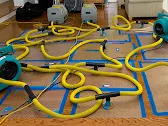
- Day 1 to 3: Commercial air movers and dehumidifiers are placed. Moisture readings are taken twice daily.
- Day 3 to 5: Drying equipment remains in place. Technicians monitor and adjust based on readings.
- Day 5 to 7: Final moisture checks confirm drying is complete. Equipment is removed.
- Week 2 and beyond: Reconstruction and cosmetic repairs begin if needed.
Pro Value Contracting follows this timeline closely for every job in San Diego and surrounding areas. Delays in any phase increase the risk of secondary damage like mold, which can double your total restoration cost.
Know the Different Categories of Water Damage
Not all water damage is equal. The Institute of Inspection Cleaning and Restoration Certification (IICRC) classifies water damage into three categories. Your restoration contractor should identify which category applies before any work begins.
| Category | Water Source | Health Risk | Average Cost Range |
|---|---|---|---|
| Category 1 (Clean) | Broken supply lines, overflowing sink, rainwater | Low | $1,200 to $4,000 |
| Category 2 (Gray) | Washing machine overflow, toilet overflow without solids | Moderate | $3,000 to $8,000 |
| Category 3 (Black) | Sewage backup, flooding from rivers or storm drains | High | $7,000 to $20,000+ |
Category 3 water damage requires full personal protective equipment for technicians and mandatory disposal of porous materials like drywall, insulation, and carpet. California has strict disposal regulations for contaminated building materials.
In San Diego, Category 3 events often involve storm drain backflow during heavy rain seasons. The older drainage infrastructure in neighborhoods like City Heights and Sherman Heights can make these situations more common after significant rainfall.
Compare What Reputable Restoration Companies Include in Their Services
When you hire a water damage restoration company in California, the scope of work should be clearly defined before anyone starts. A reputable company provides a written scope of work and cost estimate upfront.
| Service | Included by Reputable Firms | Notes |
|---|---|---|
| Emergency water extraction | Yes | Should begin within hours of arrival |
| Moisture mapping and documentation | Yes | Required for insurance claims |
| Industrial drying equipment placement | Yes | Air movers, dehumidifiers, and desiccants |
| Antimicrobial treatment | Yes | Applied to prevent mold growth |
| Contents moving and pack-out | Sometimes | May be a separate line item |
| Mold remediation | Separate scope | Required if mold is found during drying |
| Reconstruction and repairs | Separate scope | Handled after drying is complete |
Pro Value Contracting provides full documentation of all moisture readings, equipment logs, and photos throughout the process. This documentation is critical when filing a claim with your homeowner’s insurance.
Understand California Licensing and Insurance Requirements
California has some of the strictest contractor licensing requirements in the country. Before you hire anyone for water damage restoration, verify they hold a valid California Contractors State License Board (CSLB) license.
For water damage mitigation specifically, look for these credentials:
- CSLB License: Required for any contractor performing structural work, including removing drywall or flooring.
- IICRC Certification: The Water Damage Restoration Technician (WRT) certification is the industry standard.
- General Liability Insurance: Minimum $1 million coverage is standard for reputable firms in California.
- Workers Compensation Insurance: Required in California for any company with employees on your property.
- Contractor’s Bond: Required by the CSLB. Protects you if the contractor fails to complete the work.
You can verify any California contractor’s license at the CSLB website at cslb.ca.gov. Never hire an unlicensed contractor for water damage work, especially if mold removal or structural repairs are involved.
In San Diego, the city also requires permits for certain reconstruction work following water damage. Your contractor should pull the necessary permits and schedule required inspections. Skipping permits can create problems when you sell your home.
Explore How Insurance Claims Work for Water Damage in California
Most standard homeowner’s insurance policies in California cover sudden and accidental water damage. What they typically do NOT cover is gradual damage from a slow leak that was not addressed in a timely manner.
Here is what you should do immediately after discovering water damage to protect your claim:
- Document everything with photos and video before anything is moved or cleaned up.
- Call your insurance company to open a claim. Get a claim number before any work starts.
- Call a licensed restoration company like Pro Value Contracting to begin emergency mitigation.
- Do not throw away any damaged materials until the insurance adjuster has inspected them.
- Keep all receipts for emergency expenses like hotel stays if your home is temporarily uninhabitable.
- Request a copy of all moisture logs and equipment records from your restoration company.
California has specific rules about how quickly insurers must acknowledge and respond to claims. Your insurer must acknowledge your claim within 15 days and accept or deny it within 40 days of receiving proof of loss.
If your claim is disputed, California’s Department of Insurance offers a free mediation program for homeowners. This is worth knowing before you sign anything or accept a lowball settlement.
Recognize What Makes San Diego Water Damage Situations Unique
San Diego’s climate and geography create specific water damage risks that differ from the rest of California. Understanding these local factors helps you respond faster and smarter.
San Diego homes face elevated moisture risk from several local sources:
- Marine layer and coastal humidity: Homes near Mission Beach, Ocean Beach, and La Jolla experience higher baseline humidity, which slows drying times and increases mold risk.
- Aging infrastructure: Many homes in older neighborhoods like North Park, South Park, and Hillcrest have original plumbing from the 1940s through 1970s. These systems are more prone to sudden failures.
- Atmospheric rivers: San Diego has seen increasingly intense rainfall events in recent years. The January 2024 storms caused widespread flooding across the county, overwhelming storm drains in many communities.
- Slab construction: A large percentage of San Diego homes are built on concrete slabs. Leaks under the slab can go undetected for months and cause major structural damage.
- Pool and irrigation systems: San Diego’s outdoor lifestyle means more water features that can fail and cause damage to foundations and interiors.
Pro Value Contracting is based in San Diego and has direct experience with all of these local conditions. That local knowledge affects how we set up drying equipment, how long we plan for the drying phase, and what materials we recommend replacing versus saving.
FAQs on Emergency Water Damage Restoration in California
How quickly does mold start growing after water damage?
Mold can begin growing within 24 to 48 hours of water exposure in warm, humid conditions. San Diego’s climate, especially near the coast, creates near-ideal mold growth conditions. Starting extraction and drying within the first few hours dramatically reduces your mold risk.
Will my homeowner’s insurance cover water damage from a burst pipe?
Yes, most California homeowner’s insurance policies cover sudden and accidental water damage from burst pipes. Coverage is typically denied for damage caused by slow leaks, lack of maintenance, or flooding from external water sources. Review your policy declarations page or call your agent to confirm your specific coverage.
How long does the drying process take after water damage?
Most residential water damage jobs in California require 3 to 5 days of active drying with industrial equipment. Larger losses, Category 3 contamination, or coastal properties with high ambient humidity can extend drying to 7 days or more. Your contractor should take daily moisture readings to confirm drying progress.
Can I stay in my home during water damage restoration?
It depends on the size and category of the damage. Minor Category 1 damage in one room usually allows you to stay home. Category 3 contamination or damage affecting major living areas may require temporary relocation. Your restoration company should advise you based on the actual conditions in your home.
What is the difference between water mitigation and water restoration?
Water mitigation refers to stopping the damage from spreading and drying the structure. Water restoration refers to the reconstruction phase, including replacing drywall, flooring, and painting. Many companies handle both, but they are separate scopes of work with separate contracts and timelines.
Do I need a permit for water damage repairs in San Diego?
Minor cosmetic repairs like painting or replacing flooring typically do not require a permit. However, structural repairs, electrical work, or plumbing changes following water damage do require permits from the City of San Diego Development Services Department. Your contractor is responsible for identifying which permits are needed.
Wrap Up and Next Steps
Emergency water damage restoration in California moves fast, and knowing what to expect at each stage puts you in a much stronger position. From the first extraction to the final moisture check, the process is structured and predictable when you work with a licensed, experienced team.
If you are dealing with water damage in San Diego right now, Pro Value Contracting is available 24 hours a day, 7 days a week. Call us at (888) 508-6580 to speak with a local technician who knows San Diego’s neighborhoods, climate, and building stock.