Written by Pro Value Contracting | Published on June 2025
Filing a water damage insurance claim in California requires you to document the damage immediately, notify your insurer within 24 to 72 hours, and submit a written proof of loss within 60 days. This guide covers every step of the process, from the moment water hits your floors to the final settlement check. If you are in San Diego, CA, local conditions like aging plumbing and coastal humidity can complicate claims, so knowing the rules ahead of time matters.
Understand What California Homeowner Policies Actually Cover
Not all water damage is treated equally under California insurance law. Your policy likely separates sudden and accidental damage from gradual damage, and the distinction determines whether your claim gets approved or denied.
Standard homeowner policies in California typically cover sudden events like burst pipes, appliance overflows, and roof leaks caused by storms. They generally do not cover flooding from outside the home, which requires a separate NFIP or private flood policy.
| Type of Water Damage | Covered by Standard HO Policy? | Covered by Flood Policy? |
|---|---|---|
| Burst pipe inside the home | Yes | No |
| Appliance overflow (washer, dishwasher) | Yes | No |
| Roof leak from storm | Yes (sudden only) | No |
| Street flooding entering the home | No | Yes |
| Sewer or drain backup | Only with rider | No |
| Gradual pipe leak or seepage | No | No |
In San Diego, sewer backup is a real concern in older neighborhoods like North Park and City Heights. If your policy does not include a sewer backup rider, adding one costs roughly $50 to $100 per year and can save you thousands.
Take These Immediate Steps After Water Damage Occurs
The actions you take in the first few hours after water damage directly affect whether your claim succeeds. Insurers look at how quickly you acted to prevent further damage, so moving fast protects you.
- Stop the water source. Shut off the main water valve or the supply line to the affected appliance immediately.
- Document everything before touching it. Take photos and video of all affected areas, materials, and belongings. Capture the source of the water and the extent of saturation.
- Call your insurance company. Report the loss within 24 to 72 hours. Most California insurers require prompt notice as a condition of coverage.
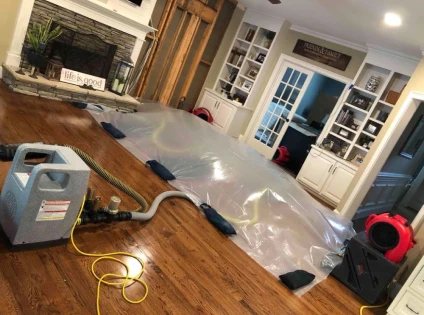
- Begin mitigation. You are legally required to take reasonable steps to prevent further damage. This includes removing standing water, placing tarps, and turning on fans.
- Save all damaged materials. Do not throw away wet drywall, flooring, or personal property until the adjuster has inspected or given written permission.
- Track all expenses. Keep receipts for hotel stays, meals, equipment rentals, and any emergency repairs you pay out of pocket.
Pro Value Contracting offers 24/7 emergency response in San Diego. Calling a professional restoration company early creates a third-party record of conditions, which strengthens your claim significantly.
Document and Estimate Your Losses Accurately
Thorough documentation is the single biggest factor in getting a fair settlement. Adjusters base payouts on the evidence you provide, and gaps in documentation almost always result in lower offers.
Here is what your documentation package should include before you meet with the adjuster.
- Time-stamped photos and videos of all damaged rooms, walls, ceilings, and floors
- A written inventory of damaged personal property with estimated replacement costs
- Receipts or purchase records for high-value items like appliances and electronics
- Moisture readings taken by a restoration contractor (Pro Value Contracting provides these as part of our emergency response)
- Any written estimates from licensed California contractors for structural repairs
- Medical records if anyone was displaced or affected by mold exposure
- Copies of all communications with your insurer, including dates and names
Getting an independent repair estimate from a licensed contractor before the adjuster visits gives you a benchmark. If the adjuster’s number comes in much lower, you have documented grounds to negotiate.
File the Claim and Work Through the Adjuster Process
Once you have documented the damage, the formal claim process begins. California law gives insurers specific deadlines they must meet, and knowing them puts you in a stronger position.
| Step in the Claims Process | California Legal Deadline |
|---|---|
| Insurer acknowledges receipt of claim | 15 days |
| Insurer accepts or denies claim | 40 days after proof of loss |
| Payment issued after agreement on amount | 30 days |
| Homeowner submits proof of loss | 60 days from date of loss (check your policy) |
When the adjuster visits, walk them through every affected area. Point out hidden damage like wet insulation inside walls or moisture under subfloor. Do not assume they will find it on their own.
If your claim is denied or the settlement offer seems too low, you have several options under California Insurance Code. You can request a written explanation, hire a public adjuster, invoke the appraisal clause in your policy, or file a complaint with the California Department of Insurance.
Work With a Licensed Restoration Contractor in San Diego
Choosing the right restoration contractor affects both the quality of the repair and the outcome of your claim. In California, water damage restoration contractors must hold a valid C-10 or C-36 license from the Contractors State License Board (CSLB), depending on the scope of work.
A licensed contractor who specializes in insurance work can help you in several specific ways.
- They can provide line-item estimates in Xactimate, the software most California insurers use, which makes the adjuster’s job easier and your payout more accurate
- They document moisture levels with calibrated meters, creating a technical record the insurer cannot easily dispute
- They can communicate directly with the adjuster on your behalf about scope of work
- They understand California building codes and can flag code upgrade costs that are covered under many policies
Pro Value Contracting is a licensed water damage restoration company based in San Diego. We work directly with all major California insurers and can guide you through the documentation and repair process from the first call.
San Diego’s climate adds some unique complications. High humidity near the coast accelerates mold growth, which means water damage that sits for even 24 to 48 hours can trigger a secondary mold remediation claim. Acting fast is especially important in neighborhoods like Mission Beach, Pacific Beach, and La Jolla.
Avoid These Common Mistakes That Delay or Kill Claims
Many California homeowners lose money on water damage claims not because their policy excluded the damage, but because they made avoidable mistakes during the claims process.
- Waiting too long to report. Delayed notification gives insurers grounds to argue the damage worsened due to your inaction.
- Throwing away damaged materials. Destroyed evidence is a fast path to a denied claim or reduced payout.
- Making permanent repairs before the adjuster visits. Emergency mitigation is fine and expected. Permanent structural repairs before documentation are not.
- Accepting the first settlement offer without review. Initial offers are often based on minimal documentation. You have the right to negotiate.
- Not reading your policy before the loss. California policies vary widely in deductibles, exclusions, and sublimits for categories like personal property and additional living expenses.
- Hiring an unlicensed contractor. Work done by an unlicensed contractor may void your coverage or create liability issues under California law.
The California Department of Insurance website at insurance.ca.gov has a homeowner bill of rights and a complaint portal. If your insurer is acting in bad faith, a complaint can trigger regulatory review.
FAQs on How to File a Water Damage Insurance Claim in California
How long do I have to file a water damage insurance claim in California?
Most California homeowner policies require you to report the loss promptly, usually within 24 to 72 hours. The statute of limitations for a formal legal action related to an insurance claim in California is generally four years, but waiting that long is never advisable. File as soon as possible after the damage occurs.
Will filing a water damage claim raise my homeowner’s insurance rates in California?
Possibly. California insurers are permitted to raise rates or choose not to renew a policy after one or more claims, though regulations limit how aggressively they can do so. A single claim for a significant loss usually has less impact than multiple smaller claims filed in a short period.
What if my water damage claim is denied in California?
You can request a written denial letter explaining the specific reason for the decision. From there, you can dispute the denial by providing additional documentation, hire a public adjuster to negotiate on your behalf, or file a complaint with the California Department of Insurance. You also have the right to pursue arbitration or legal action if bad faith is involved.
Does homeowner’s insurance in California cover mold after water damage?
It depends on the cause and your policy language. If mold results from a covered water damage event and you acted promptly to mitigate it, most California policies cover remediation up to a sublimit, often between $5,000 and $10,000. Mold that results from long-term neglect or a non-covered cause is typically excluded.
Should I hire a public adjuster or a restoration contractor first?
Start with a licensed restoration contractor who can document the damage and begin mitigation immediately. A public adjuster becomes more valuable if your claim is denied, underpaid, or the scope of damage is complex. Many San Diego homeowners use both, with the contractor handling repairs and the public adjuster handling the settlement negotiation.
How much does water damage restoration cost in San Diego, CA?
Water damage restoration in San Diego typically costs between $2,500 and $15,000 depending on the size of the affected area, the category of water involved, and whether mold remediation is needed. Larger losses involving subfloor replacement, drywall, and cabinetry can run $20,000 or more. Your insurance policy should cover most costs above your deductible for a covered loss.
Wrap Up and Next Steps
Knowing how to file a water damage insurance claim in California gives you real control over the outcome. Document fast, report promptly, and work with licensed professionals who understand the California claims process.
Pro Value Contracting is a San Diego-based water damage restoration company ready to respond 24 hours a day. We help homeowners document losses, coordinate with insurers, and restore their properties to pre-loss condition. Call us at (888) 508-6580 to schedule an emergency assessment or request a free estimate today.