Written by Pro Value Contracting | Published on July 2025
After a wildfire burns through California hillsides, the charred landscape left behind can increase flood and debris flow risk by 10 to 30 times compared to unburned terrain. The vegetation, root systems, and soil structure that normally slow and absorb rainfall are gone. This article explains exactly why burn scars are so dangerous, what happens during post-fire storms, and what San Diego homeowners can do to protect their properties.
Understand What a Burn Scar Actually Does to the Ground
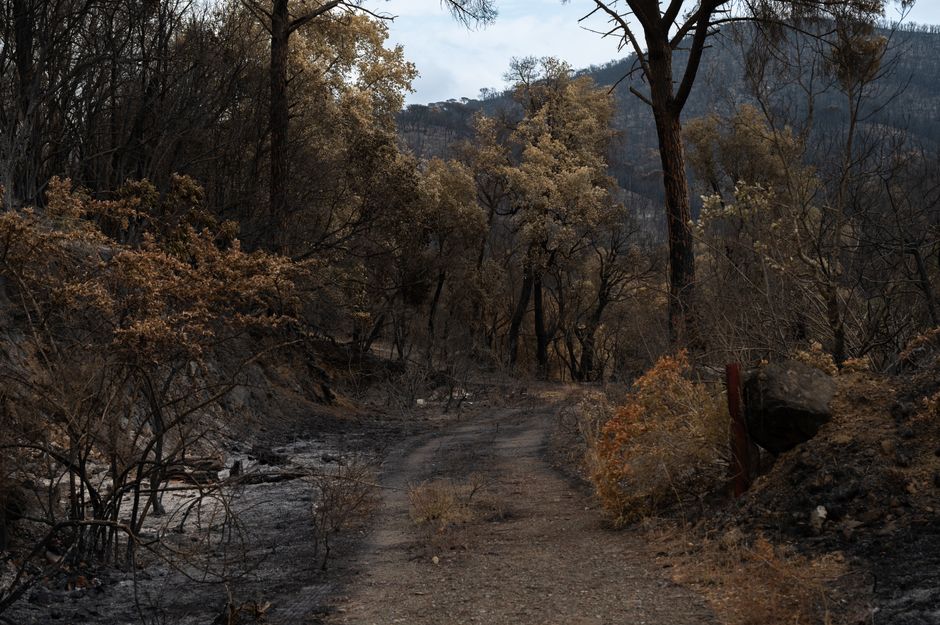
A burn scar is the area of land left after a wildfire has moved through. On the surface, it looks like scorched earth. But the real damage happens underground, where heat destroys the biological network that makes soil functional.
Wildfires burn off the layer of organic material on the soil surface. That material normally acts like a sponge, catching rainfall and slowing runoff. Without it, rain hits bare mineral soil and runs off almost immediately.
Heat also drives waxy compounds from burned vegetation down into the soil. This creates a water-repellent layer called hydrophobic soil. Water cannot penetrate this layer at all. Instead of soaking in, it sheets across the surface at high speed.
Root systems from trees, shrubs, and grasses hold soil in place. When those roots die, the hillside loses its structural integrity. Loose soil, ash, rocks, and debris can mobilize quickly when water moves across the slope.
- Hydrophobic soil layer forms within the top 1 to 3 inches of ground
- Runoff rates in burn scars can be 10 to 30 times higher than in healthy terrain
- Debris flows can travel faster than 20 miles per hour in steep terrain
- The highest risk period is the first two years after a fire
- Even light rainfall, 0.3 to 0.5 inches per hour, can trigger dangerous flows
This is not just a theoretical risk. Burn scar flooding has destroyed hundreds of California homes in recent decades, and the danger is very real for communities in and around San Diego County.
See How Burn Scar Floods Differ From Regular Flooding
Regular flooding from rain usually builds gradually. You get rising water, soil saturation over hours, and some advance warning. Burn scar flooding is completely different. It moves faster, carries more debris, and gives almost no warning time.
| Factor | Standard Rainfall Flood | Post-Fire Burn Scar Flood |
|---|---|---|
| Warning time | Hours to days | Minutes or less |
| Debris content | Low to moderate | Very high (mud, rocks, trees) |
| Rainfall needed to trigger | Heavy sustained rain | Light to moderate rain |
| Flow speed | Slow to moderate | Fast, up to 20+ mph |
| Destruction type | Water intrusion, soaking | Structural impact, burial, inundation |
| Recovery complexity | Moderate | High, requires specialized removal |
The debris content is what makes post-fire floods especially destructive. Flows carry boulders, logs, and thick mud. When that material enters a home, cleanup is far more involved than standard water damage restoration.
Pro Value Contracting has responded to debris-related water damage events in San Diego, CA, and the scope of work involved is consistently more complex than rain flooding alone. Structural damage, contaminated mud, and saturated building materials all need immediate professional attention.
Identify the Highest-Risk Zones Near San Diego
San Diego County has significant wildfire history, and several burn areas have left hillsides in vulnerable condition. Understanding which areas carry elevated flood risk helps you assess your own exposure.
Communities at the urban-wildland interface are the most exposed. These include areas in East County, the foothills near Alpine, Ramona, and communities along the I-15 and Highway 78 corridors. Any neighborhood near or downslope from recent burn areas should be treated as high risk.
FEMA and the California Department of Water Resources both publish updated flood hazard maps. After major fires, these agencies often issue new Debris Flow Hazard Assessments that flag specific watersheds. Cal Fire and the U.S. Geological Survey also release post-fire debris flow likelihood maps within days of a fire being contained.
- Check the USGS Post-Fire Debris Flow Hazard website for updated maps after any local fire
- Sign up for San Diego County’s emergency alert system at AlertSanDiego.org
- Review FEMA Flood Map Service Center at msc.fema.gov for your property zone
- Contact your insurance agent to confirm whether your policy covers debris flow damage
- Ask your local fire department if your neighborhood is in a mapped high-hazard zone
It is worth noting that you do not have to be directly next to a burn scar to be at risk. Debris flows follow drainages and stream channels, which can carry material miles from the original burn area before it reaches populated areas.
Compare Post-Fire Flood Damage Costs and Restoration Timelines
Understanding the financial and time impact of post-fire flood damage helps homeowners plan ahead. Costs vary significantly based on debris content, how quickly the home is reached, and the extent of structural involvement.
| Damage Type | Estimated Restoration Cost | Typical Timeline |
|---|---|---|
| Standard water intrusion, no debris | $1,500 to $5,000 | 3 to 7 days |
| Mudflow with minor debris, 1 room | $5,000 to $15,000 | 1 to 2 weeks |
| Mudflow with structural damage, multi-room | $20,000 to $60,000+ | 3 to 8 weeks |
| Full debris burial with foundation damage | $80,000 to $200,000+ | 2 to 6 months |
| Contaminated water with mold onset | Add $3,000 to $10,000 | Additional 1 to 2 weeks |
These ranges reflect real-world conditions in the California market. Labor, material, and disposal costs in San Diego County are on the higher end of national averages due to regional pricing and permitting requirements.
Speed matters enormously. Mud and debris that sits in a home for more than 24 to 48 hours accelerates mold growth and causes deeper damage to drywall, insulation, and flooring. Calling a restoration contractor immediately after the event is not optional, it is critical.
Pro Value Contracting offers 24/7 emergency response in San Diego, CA for exactly these situations. Getting the right team on-site fast is the single biggest factor in controlling total restoration costs.
Take Practical Steps to Protect Your Home Before the Rain Arrives
If you live near a burn scar area in San Diego County, there are concrete actions you can take before the next storm hits. Preparation dramatically reduces the risk to your home and family.
Start by inspecting your property’s drainage paths. Walk your lot and identify where water flows during heavy rain. Make sure those paths lead away from your foundation, not toward it. Clear any debris from gutters, downspouts, and surface drains right now.
- Install or inspect sandbag placements along the downslope edge of your property
- Clear vegetation debris from roof valleys, gutters, and area drains
- Move vehicles, outdoor furniture, and valuables to higher ground or upper levels before storms
- Create an emergency kit with documents, medications, and essentials ready to go
- Know your evacuation routes before you need them, especially alternate routes if roads flood
- Consider renting a portable sump pump if your property is in a low-lying or downslope area
- Photograph the current condition of your home inside and out for insurance documentation
Local San Diego building codes also require certain drainage infrastructure in high-risk zones. If you have recently purchased a home near a hillside, it is worth having a contractor verify that your drainage complies with current standards.
Cal OES and the San Diego County Office of Emergency Services sometimes offer free sandbags at designated locations before major storm systems. Check the County website during any watch or warning period to find your nearest distribution site.
Recognize the Warning Signs That a Debris Flow May Be Coming
Even with preparation in place, knowing what to watch and listen for during a storm near a burn area can be the difference between getting out safely and being caught in a flow.
Debris flows often give short but detectable warnings. If you are in or near a burn scar area during rain, stay alert to the following signals:
- A roaring or rumbling sound coming from upslope, similar to a freight train
- A sudden increase in stream or creek flow, even if rain seems light
- Water turning brown or murky very quickly
- Trees cracking or falling on the hillside above you
- The ground shaking slightly near drainages or stream channels
- A sharp, earthy smell that intensifies suddenly
If you observe any of these signs, do not wait for official instructions. Move to the upper floor of a sturdy building or evacuate immediately to higher ground. Debris flows can arrive within seconds of the first warning signs.
After any event, do not return home until authorities have declared the area safe. Unstable hillsides can continue producing flows for hours after the initial event, especially during prolonged storm systems.
FAQs on Post-Wildfire Flood Risk in California
How long does the increased flood risk last after a wildfire?
The highest risk period is typically the first two years after a fire. During year one, hydrophobic soil layers are strongest and vegetation has not regrown. By year three to five, risk levels usually return closer to normal, though steep terrain with slow regrowth may remain elevated longer.
Does homeowners insurance cover mudflow and debris flow damage?
Standard homeowners insurance policies typically do not cover mudflow or debris flow. You generally need a separate flood insurance policy through the National Flood Insurance Program or a private carrier. Check your policy documents carefully and call your agent to confirm your coverage before the next storm season.
Can I tell from my address whether I am in a burn scar flood zone?
Yes. The USGS Post-Fire Debris Flow Hazard system publishes maps by watershed after major California fires. You can also check FEMA flood maps and the San Diego County Flood Control District website. Enter your address to see mapped hazard zones, and watch for updated maps after any new fire event in your area.
What should I do immediately after mudflow enters my home?
Do not enter the home until authorities confirm the area is safe and the flow has stopped. Once cleared, document damage with photos before touching anything. Call a licensed water damage restoration contractor immediately. Mud contaminated with ash, chemicals, and biological material is considered a health hazard and requires professional handling.
Does Pro Value Contracting handle post-wildfire water and mud damage?
Yes. Pro Value Contracting serves San Diego, CA and responds 24/7 to flood and debris-related water damage events. The team handles water extraction, debris removal, structural drying, and mold prevention. Call (888) 508-6580 to reach someone any time of day or night.
Are debris flows only dangerous during major storms?
No. One of the most dangerous aspects of post-fire flood risk is that even moderate rainfall, as little as 0.3 inches per hour, can trigger significant debris flows in a freshly burned watershed. You do not need a major storm system to be at risk. Any rain event within the first two years after a fire in your area warrants attention.
Wrap Up and Next Steps
Post-wildfire burn scars are one of the most underestimated flood hazards facing San Diego homeowners. The combination of hydrophobic soil, destroyed vegetation, and steep local terrain creates conditions where a modest rainstorm can produce a fast-moving, debris-filled flow with almost no warning.
Preparation, awareness, and fast professional response are the three factors that protect your home and family the most. Know your zone, monitor conditions during storm events, and have a restoration contractor ready to call the moment damage occurs.
If your home has been affected by flood or debris damage, or if you want a professional assessment of your drainage and vulnerability before the next storm, call Pro Value Contracting at (888) 508-6580. Our team serves San Diego, CA around the clock and is ready to help you respond fast and recover fully.